This page was translated from Hebrew and has not been reviewed yet. The Hebrew page is the reference. עברית
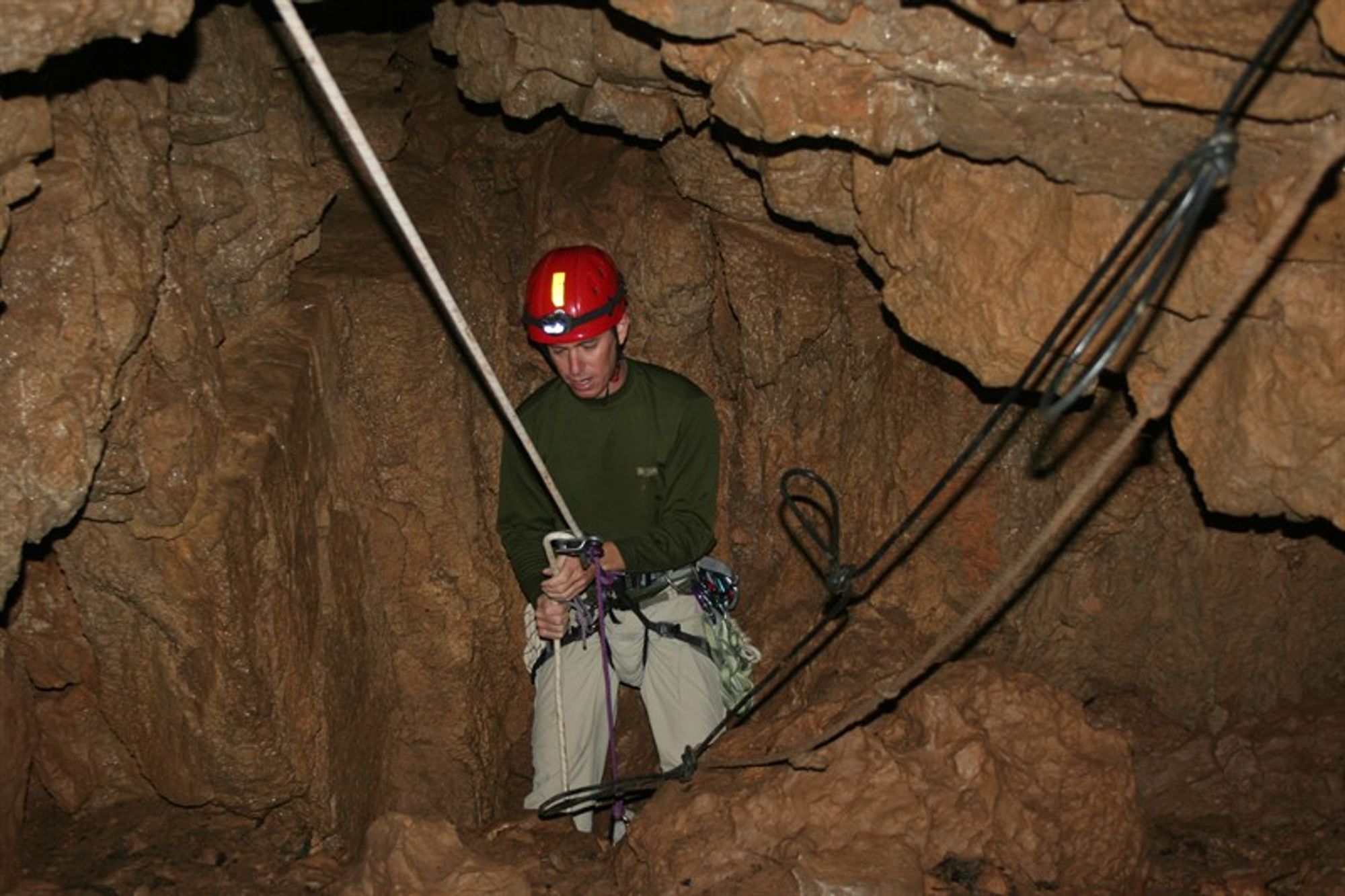
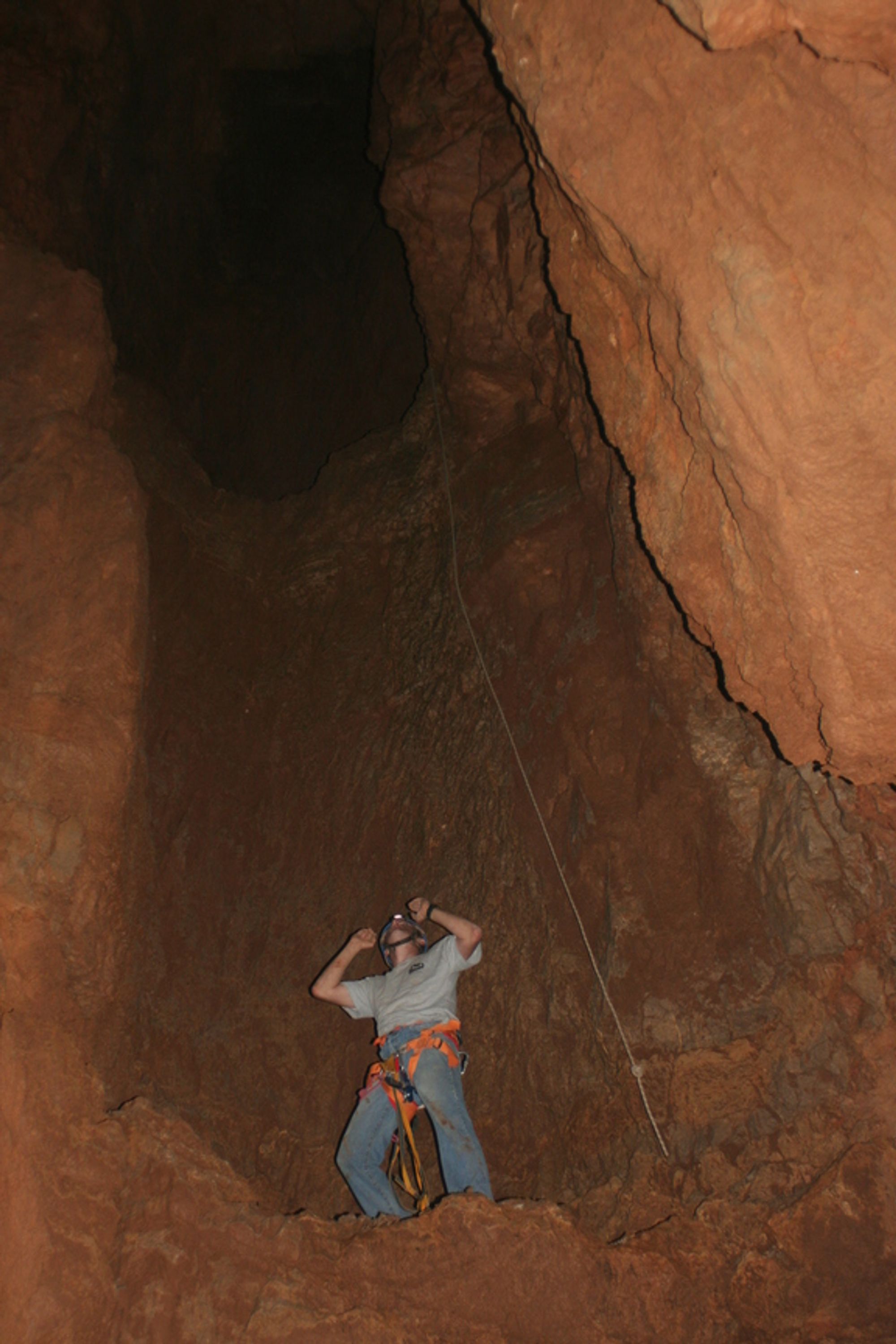
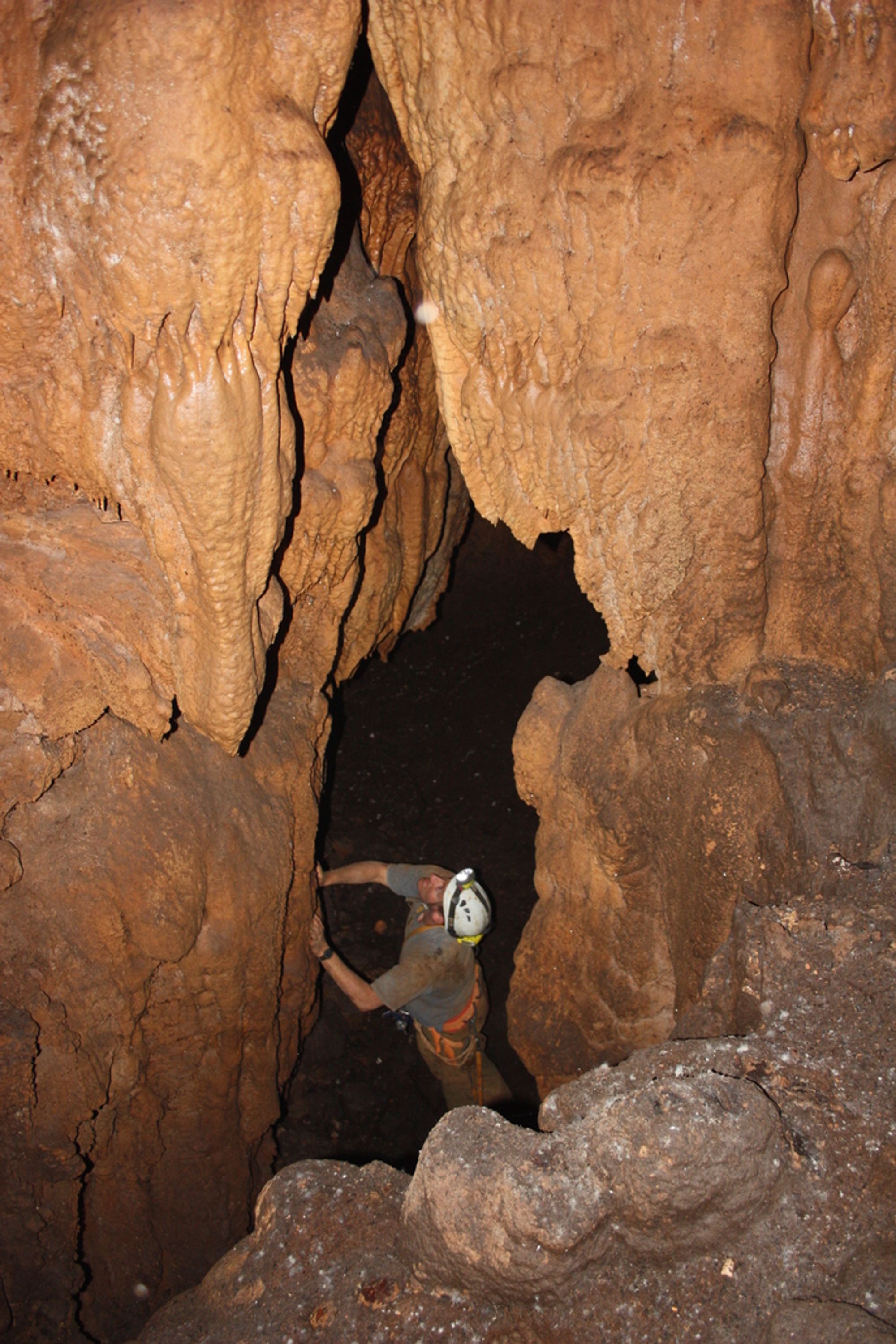
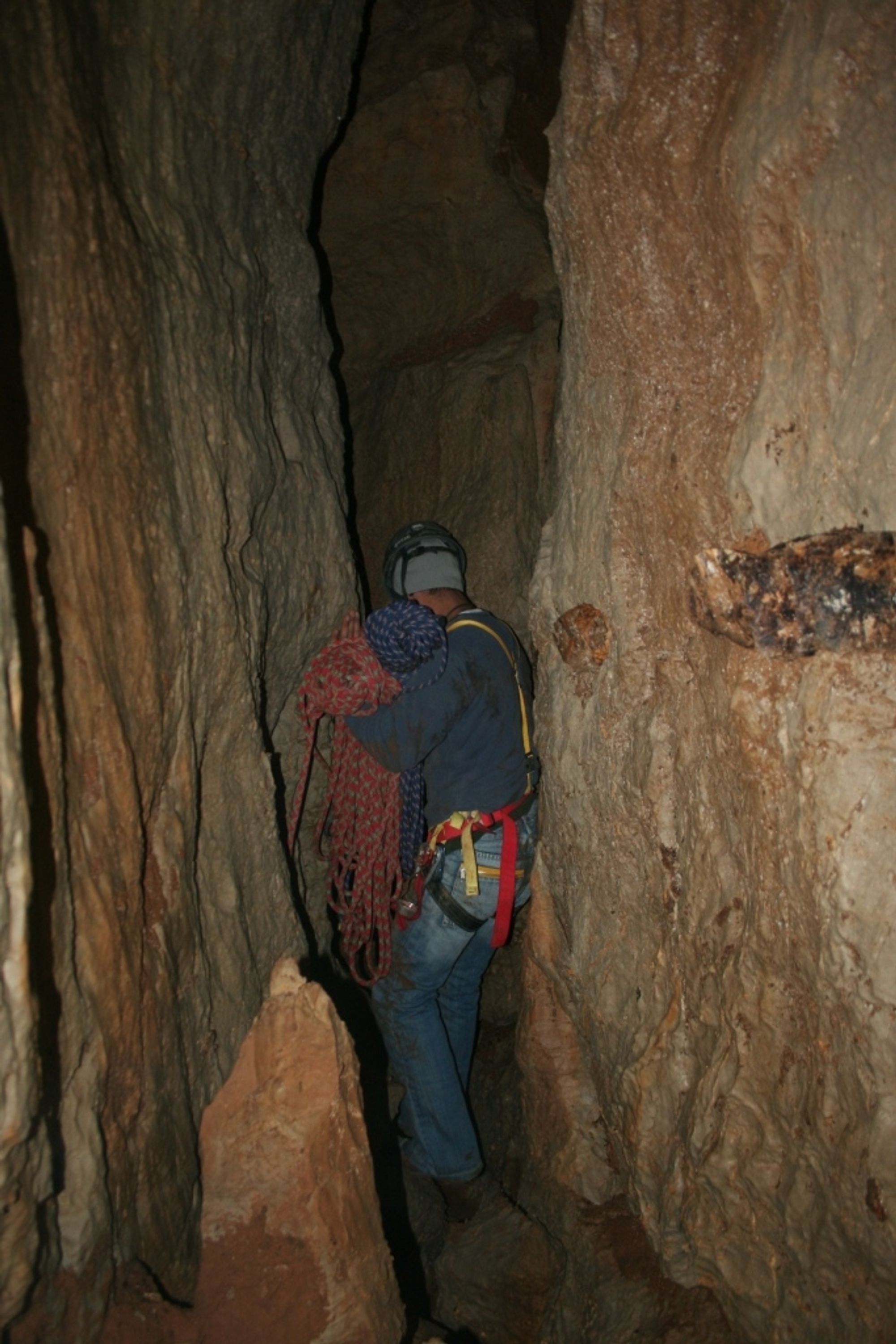
Mount Hermon Caves Survey
Mount Hermon Survey
Mount Hermon is an area of Alpine character whose maximum elevation within the borders of the State of Israel reaches 2224 meters above sea level. In the area of Mount Hermon, hard limestone, a high amount of precipitation and great elevation above sea level come together. These conditions create a clear possibility for the formation of diverse karst caves.
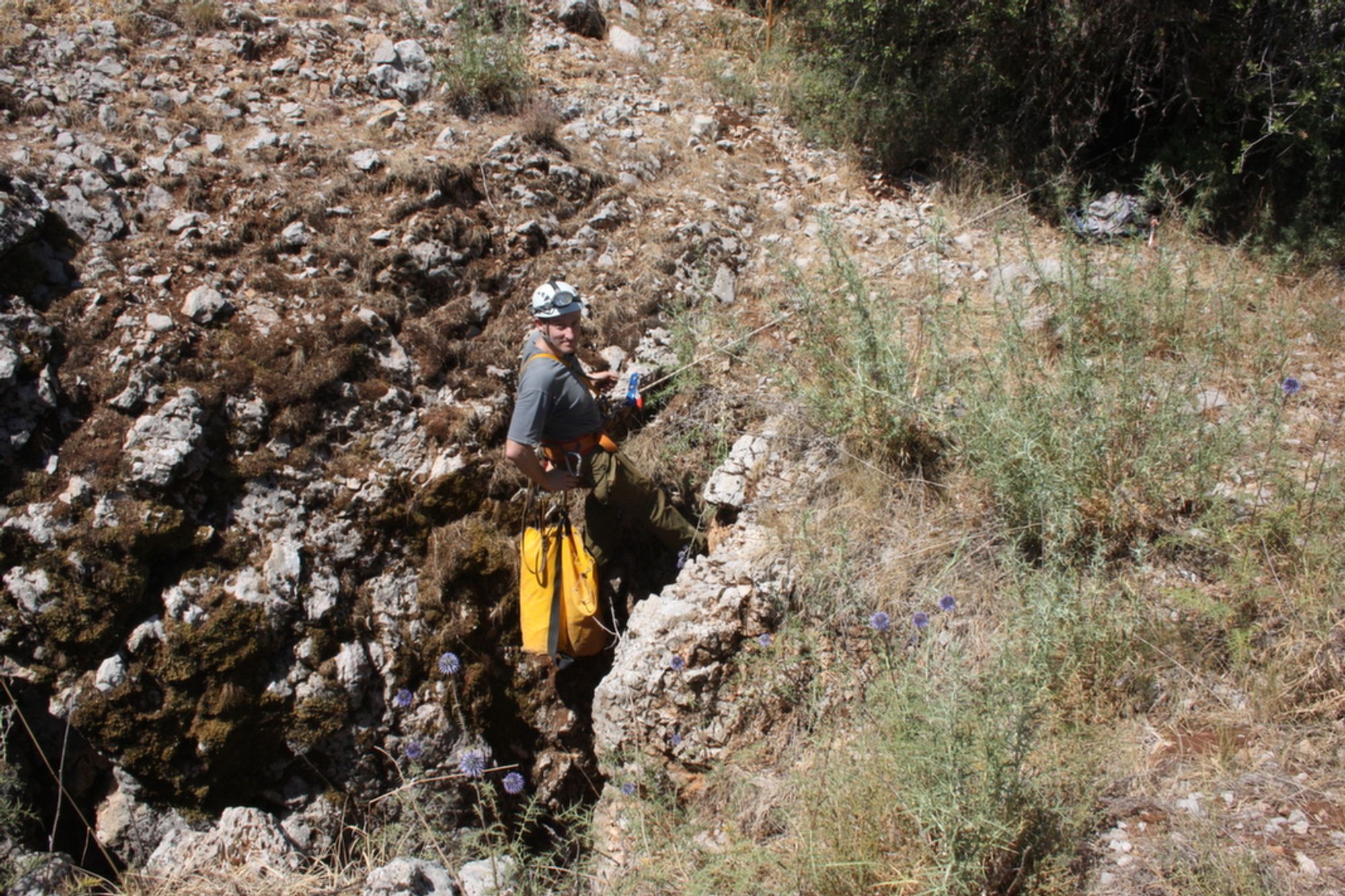
Since the first Mount Hermon survey ended in 1990, difficulties in returning to it increased for security reasons. The strong desire to reach the heights of Hermon was a kind of dream for every caving enthusiast, which could not be fulfilled. The opportunity to reach the mountain for the study of its caves, thanks to the goodwill of the Hermon Brigade and the Northern District of the Israel Nature and Parks Authority, which came our way, led to this work. The Mount Hermon survey is the fruit of the work of a small group of cave enthusiasts of the Land of Israel, and it was carried out in such a way that fieldwork kept center stage.
To continue reading about the background to the survey and the working methods ...
Karst Spaces in Hermon
Karstic Cavities in the Hermon
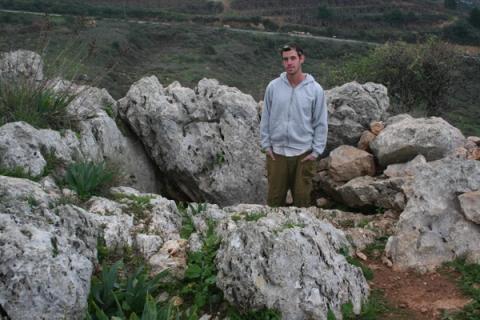
Western bank of Nahal Hazor
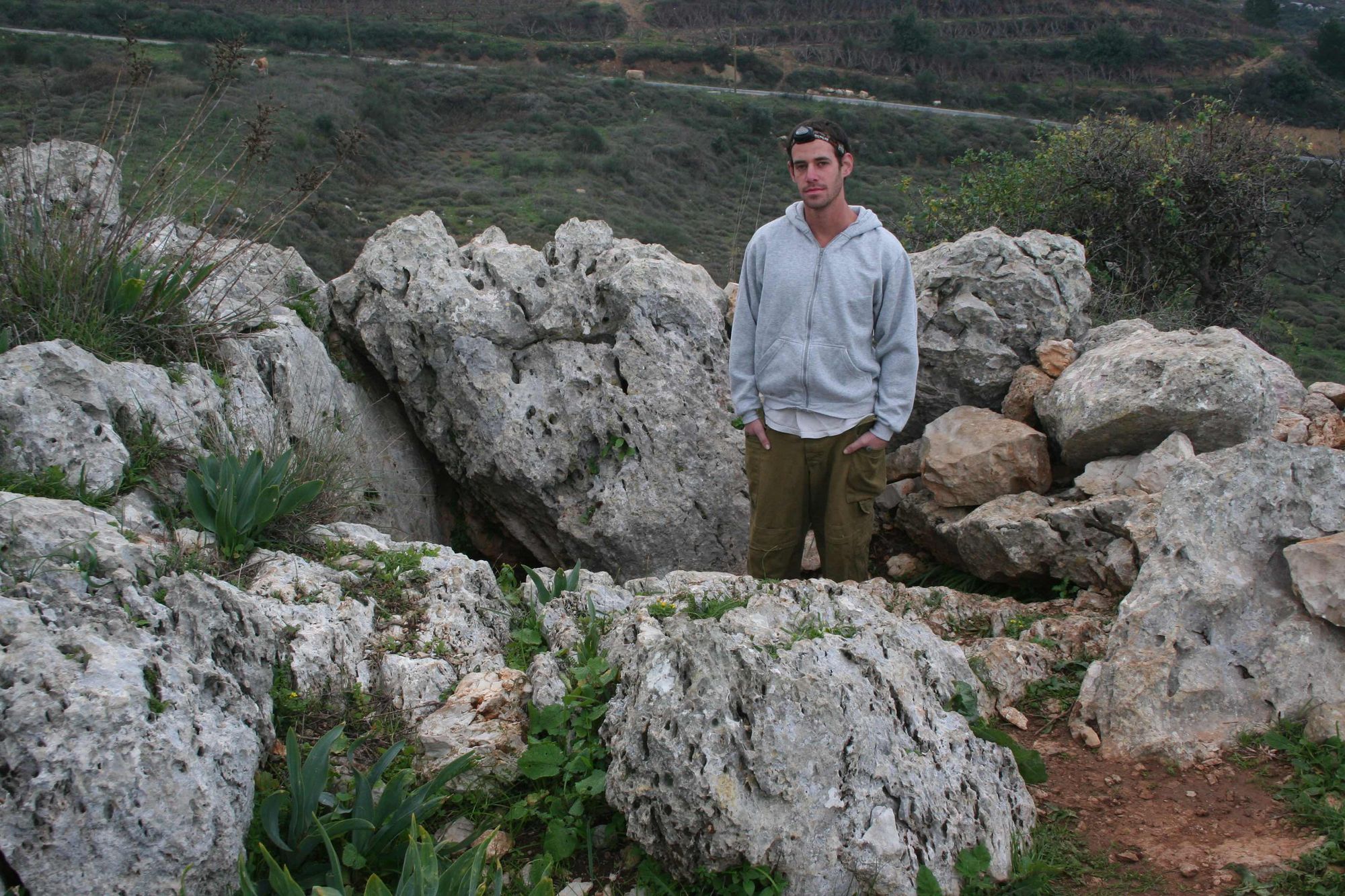
Nabi Hazuri Cave is a small burial cave that seems to have been hewn on the basis of a natural cavity that developed at the top of a slope, within the watershed of Wadi a-Naqib (a short channel that ultimately drains into Nahal Banias).
Cave page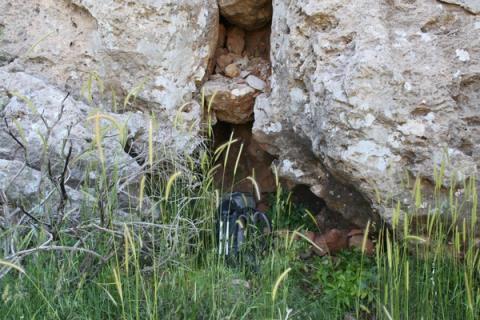
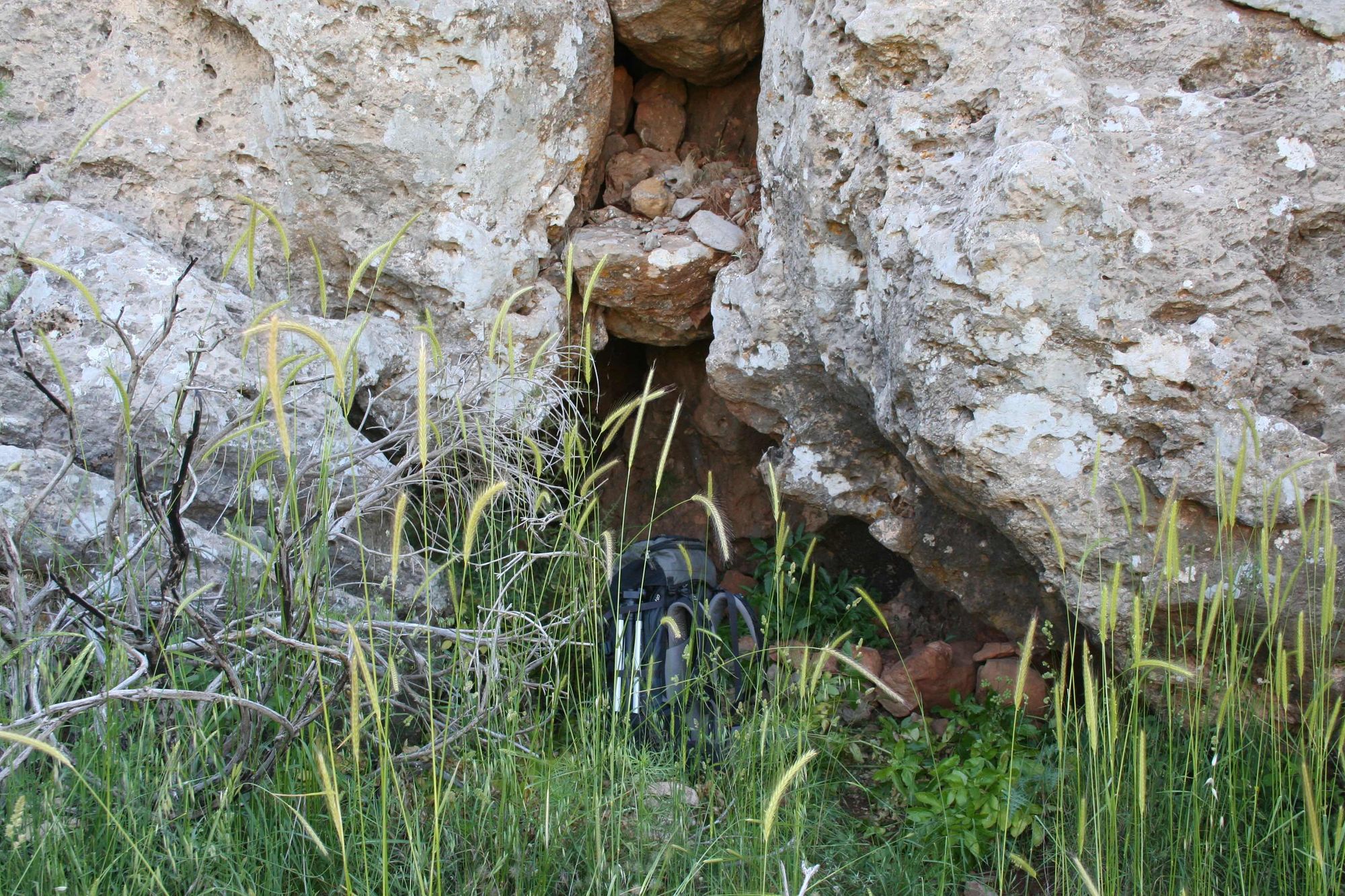
A narrow horizontal cave at the bottom of a rock step in an area with many terraces. The entrance is hidden by ahirotem woodland shrubs growing next to it.
Cave page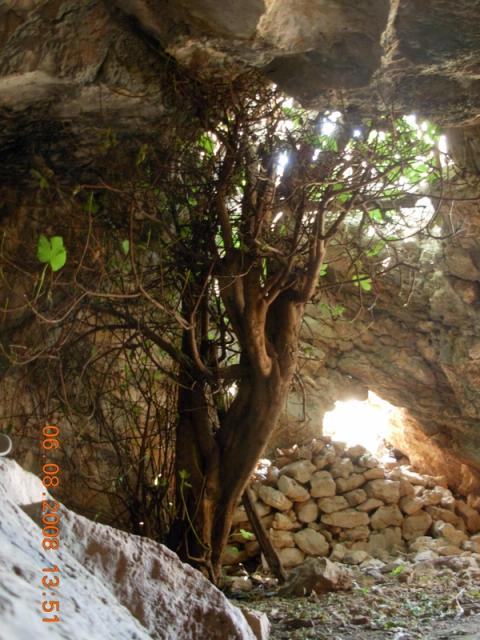
Hermon Shoulder
The cave is located on the southeastern slope of the Hermon Shoulder, above the Druze village of Majdal Shams and near the system axis at section 372 (Ma'ale Ilan), about 20 m north of the system axis and about ten meters above it.
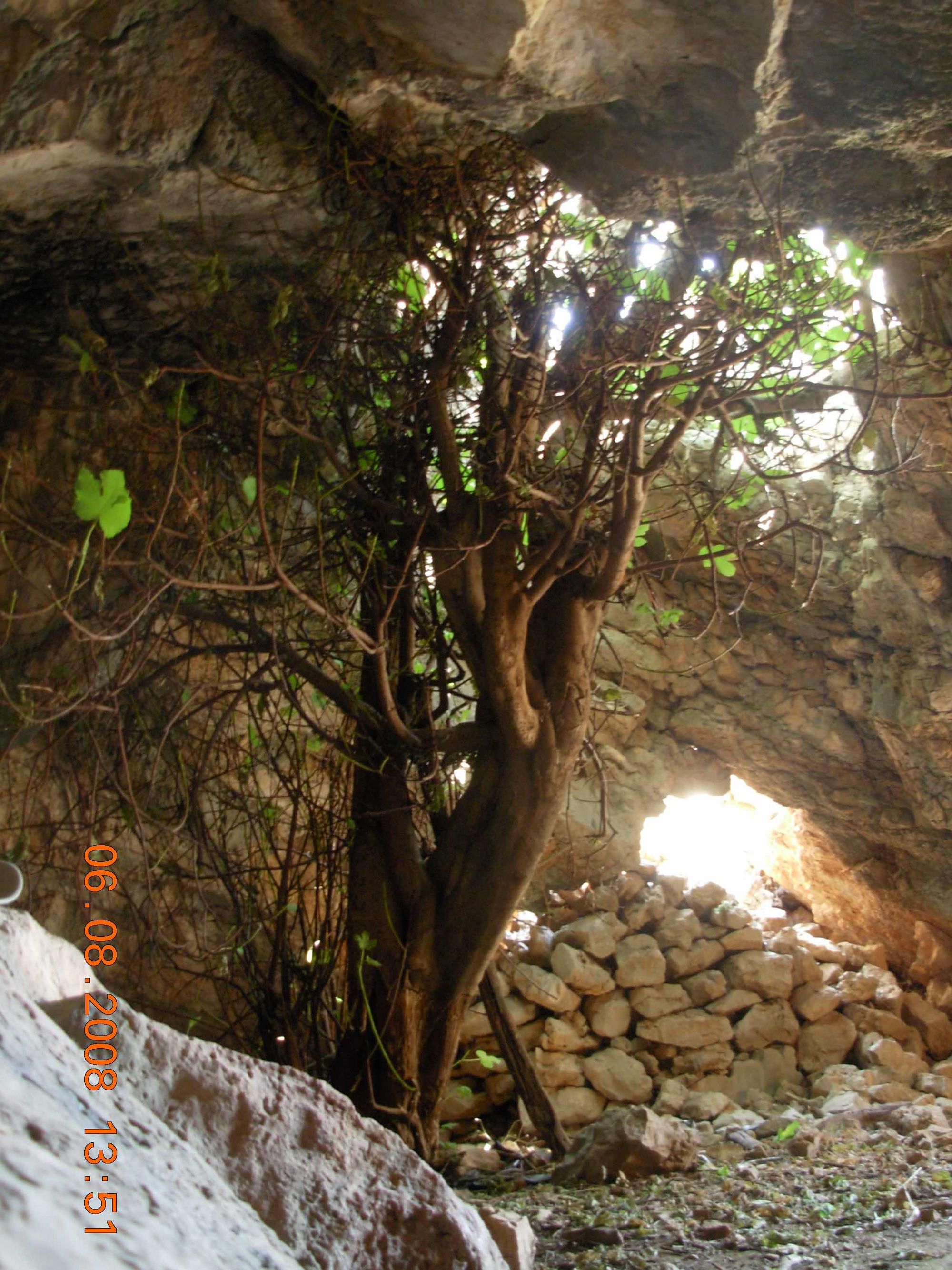
The cave has the form of a large chamber (about 10 x 15 m and about 2 m high). The chamber has three openings. A large fig tree grows from the center of the chamber, its crown emerging through an opening in the chamber ceiling.
Cave page
Upper Cable Car
The cave consists of a central chimney descending to a depth of 19.5 m, in the center of which are two small dead-end chimneys.
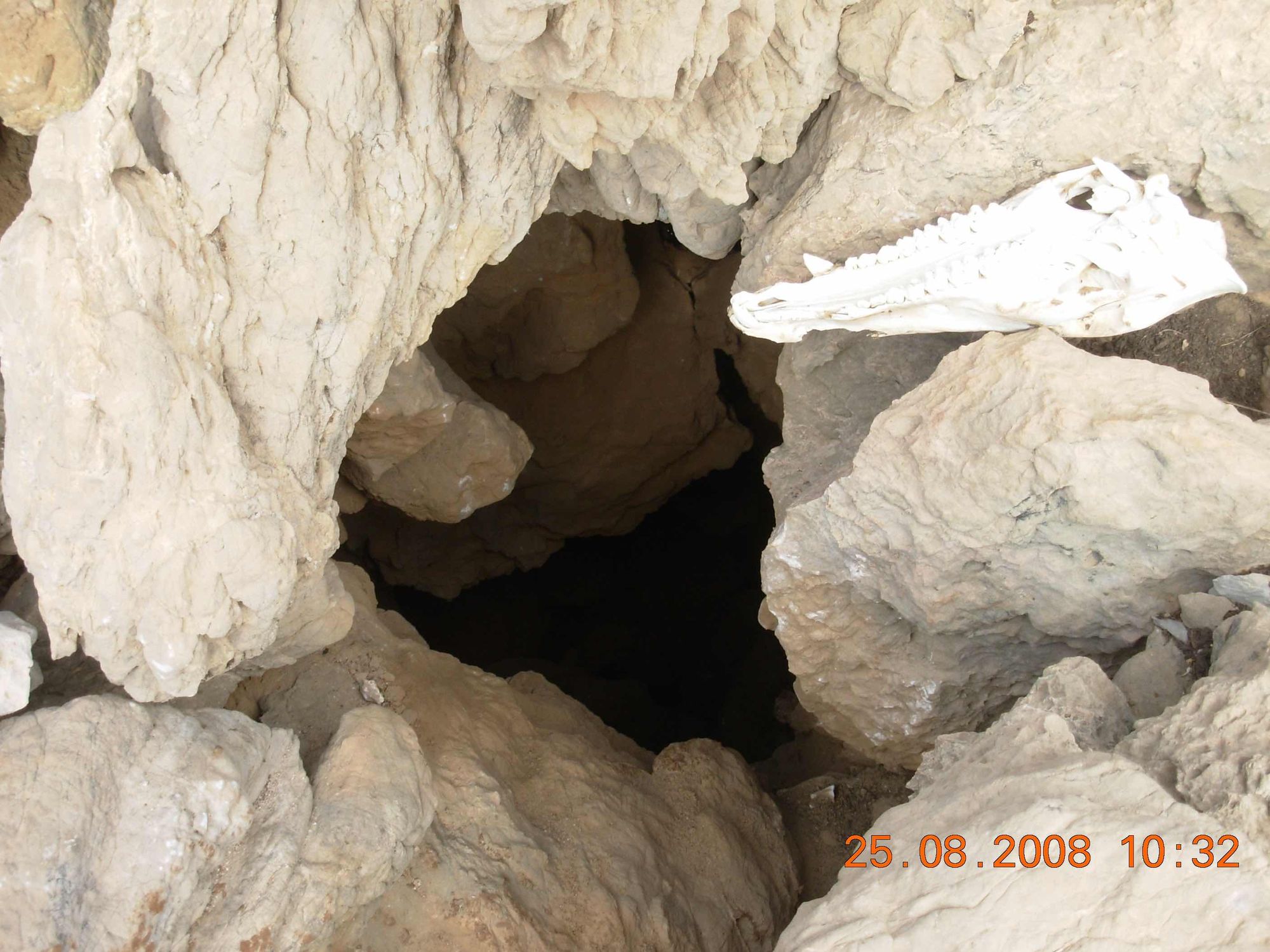
The cave entrance is at the southern edge of Doline 62, between the rocks covering this point of the doline. Entrance dimensions: 1 x 1 m.
Cave page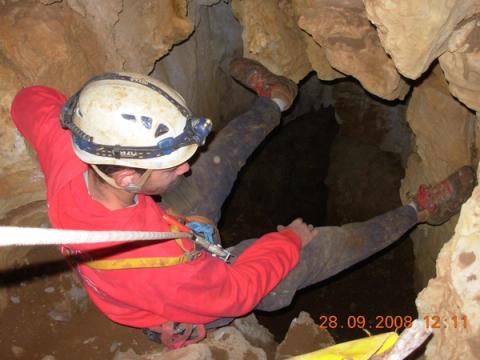
Mount Havushit
Havushit Shaft Cave is built as a vadose cave with a stepped structure formed by the joining of several chimneys.
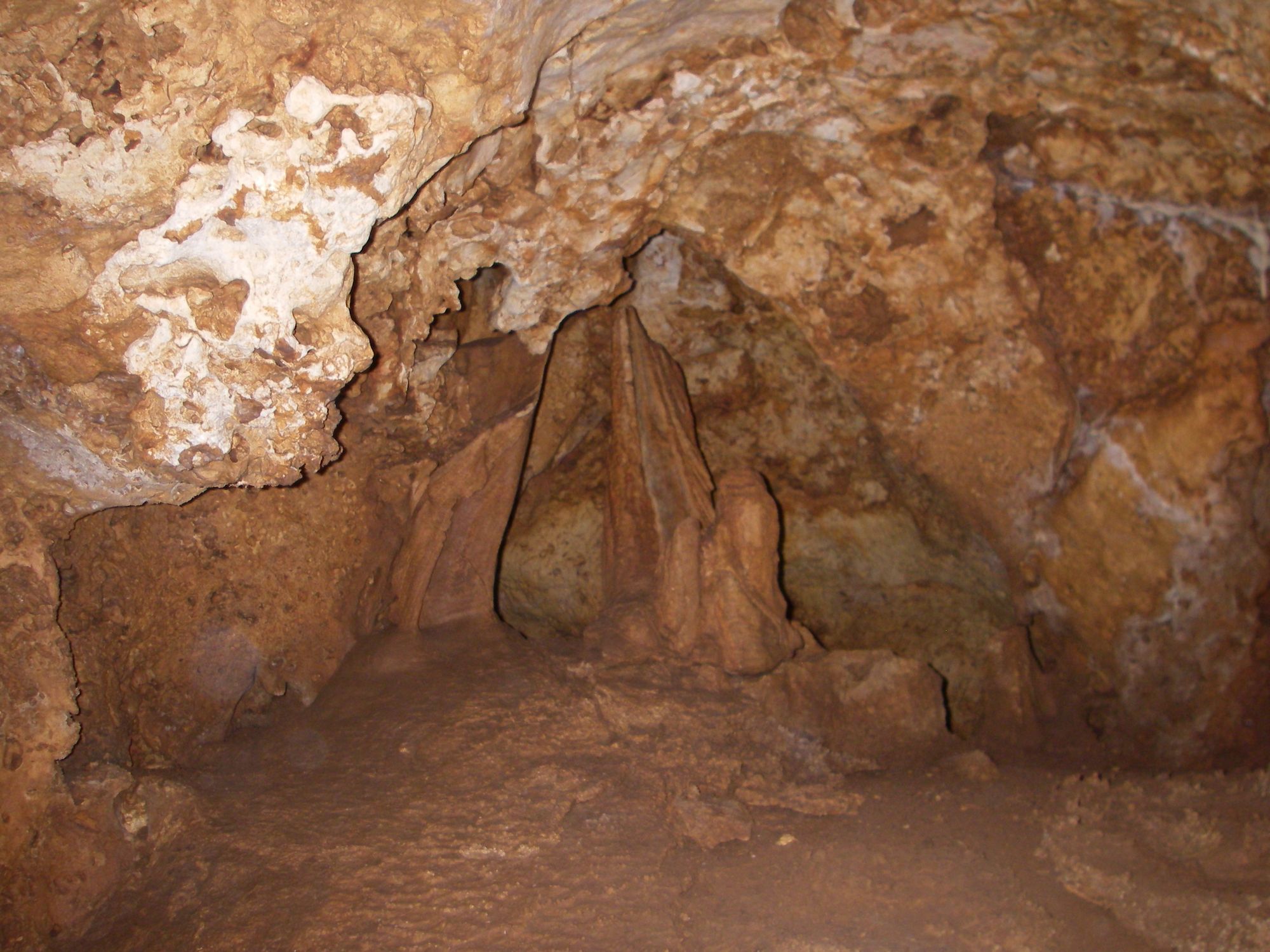
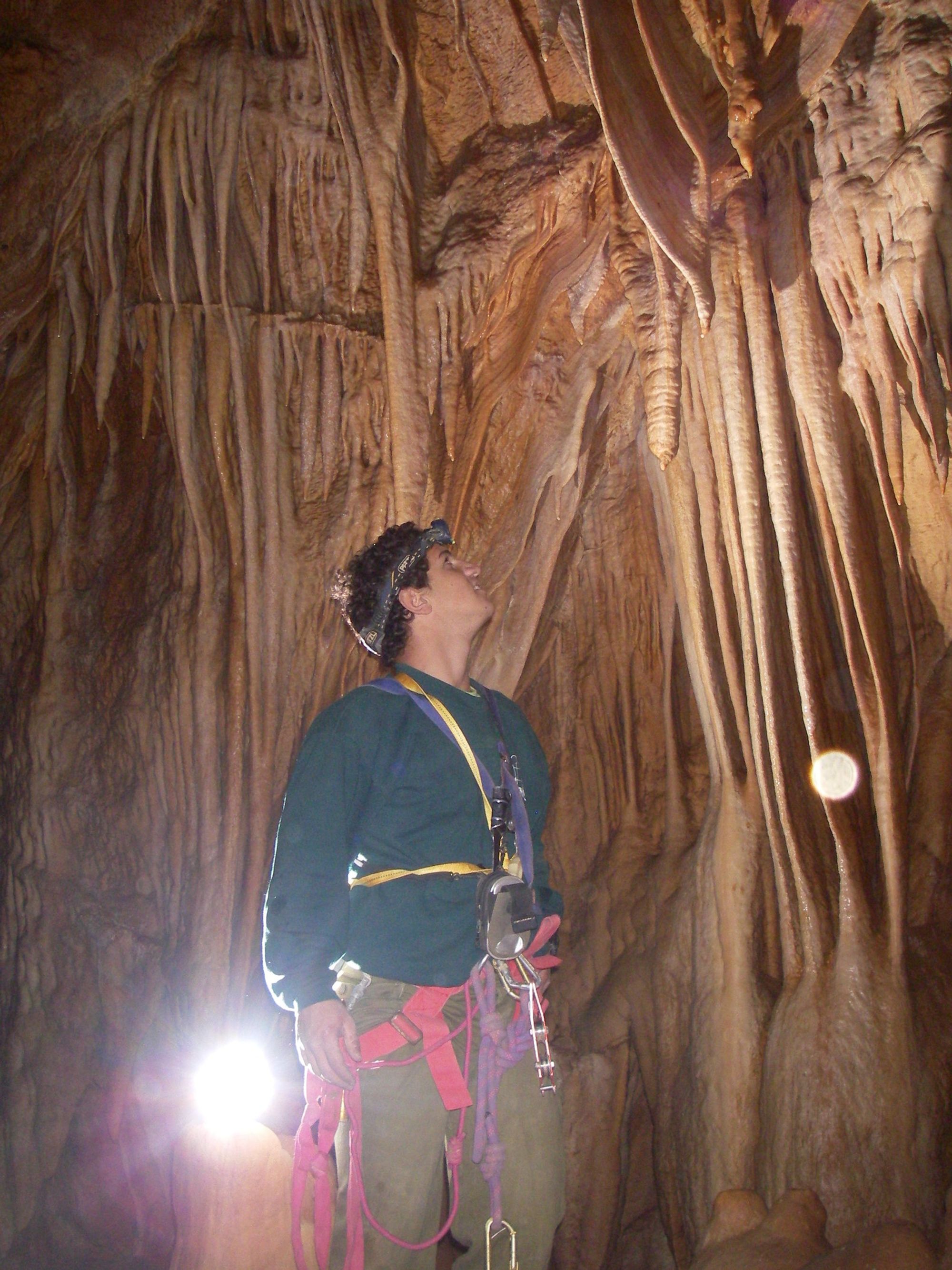
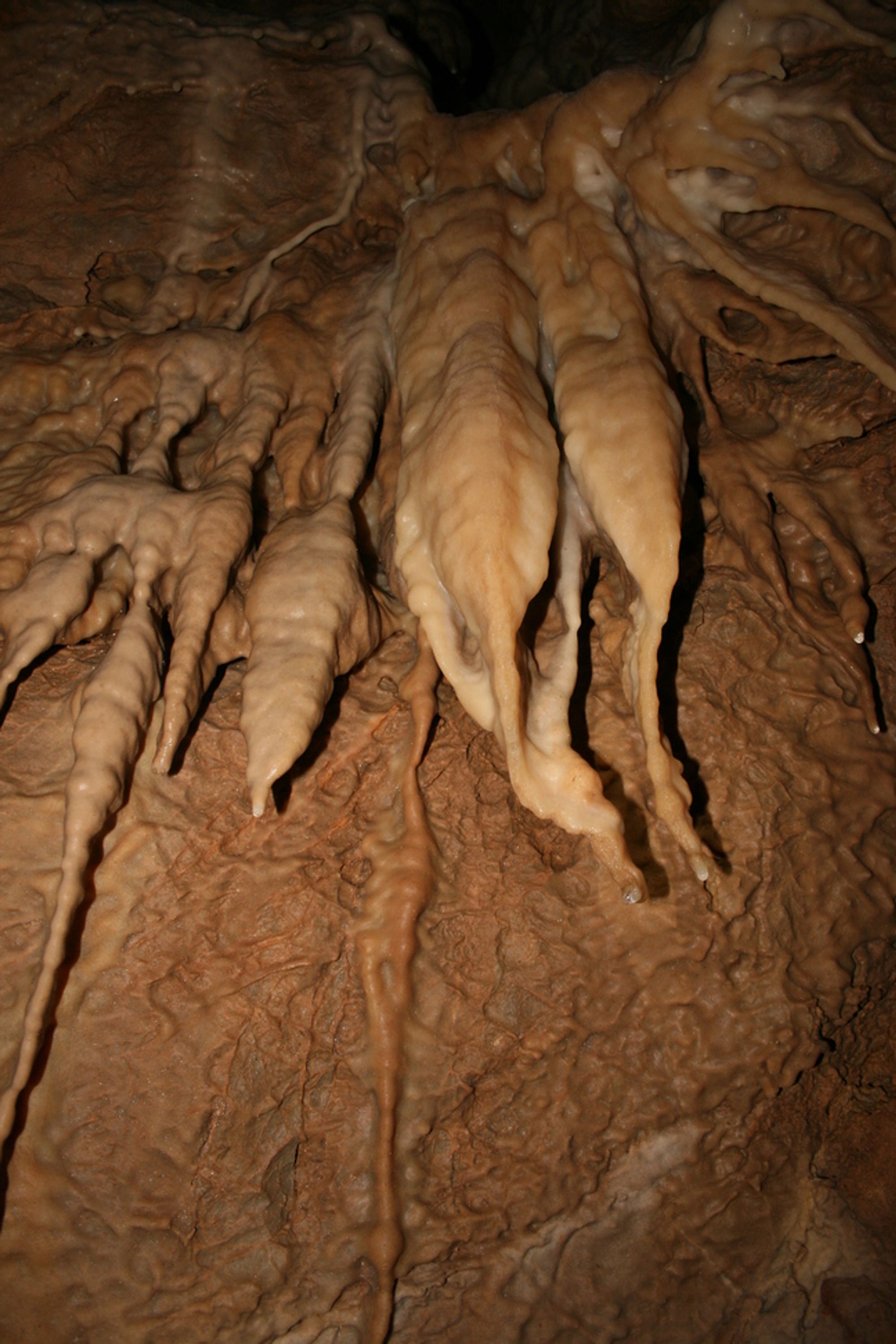
The cave is located in an unnamed stream channel and developed on a slope without a doline. The cave is 28 m deep and contains impressive quantities of active and well-developed cave deposits, among them numerous helictites, pagodas, columns, stalagmites, conulites, stalactites, soda straws and elephant ears.
Cave page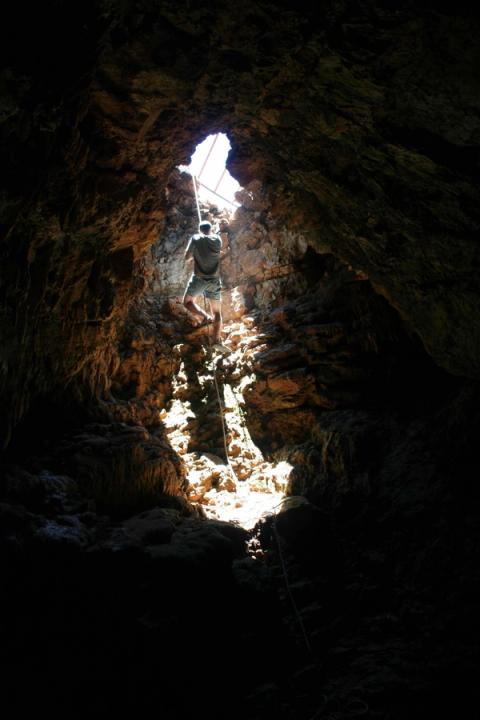
Near the lower cable car parking lot
This cave is an example of a cave that developed in fractured limestone along a fracture plane oriented southwest - northeast, and its downward development was halted after a few meters. It consists of two cavities: the cavity through which one enters the cave is about 10 m deep and its area is 8 x 4 m. On the rocks at the entrance are travertine surfaces that continue inward into the cavity. Stalactites and elephant ears hang from the ceiling, and in the center of the ceiling is a blocked chimney.
Cave page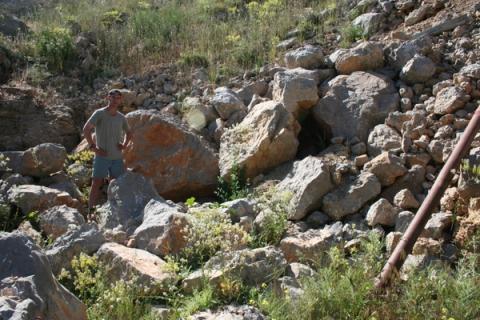
Head of the Nahal Arar drainage basin
The cave is located at the head of the Nahal Arar drainage basin, on the southern side of Doline 127, hidden under a pile of rocks that fell during the paving of one of the branches of Road 999.
This is a small cave that developed in yellowish limestone at the edge of Doline 127.
Cave page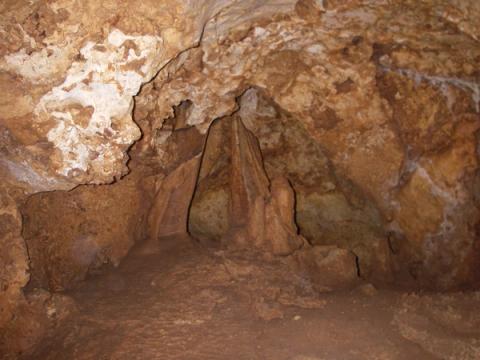
Har Shaked
A wide chimney about 5 m deep. The chimney developed on a rocky slope without a doline.
At the bottom of the chimney is a narrow, impassable sinkhole.
Entrance dimensions: 0.5 x 0.4 m.
Cave page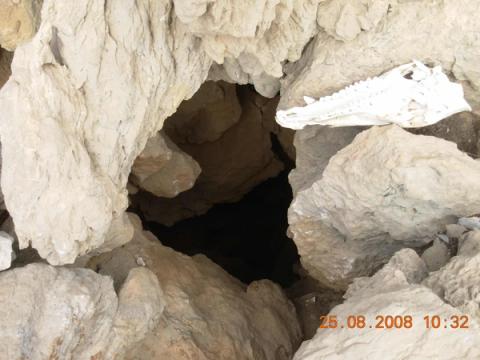
The chimney is located in a channel descending southward from Border Point 2012. The overall depth of the chimney is 12 m and its average width is one meter.
Cave page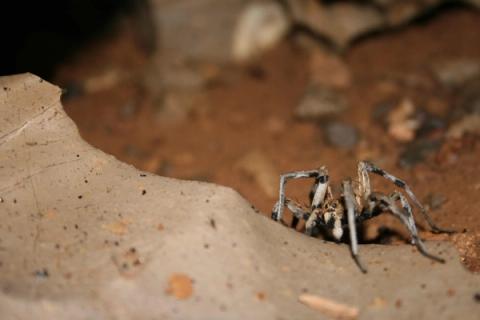
Shi'on Doline
Chimney 33 was found in the 1990 Hermon survey and its details appear in the Nikrot Tzurim booklet no. 16.
The chimney opening is about 1 x 1 m. From the opening, a stepped vertical passage descends to a wide chamber. The chimney floor is covered with soil and its walls are made of gray limestone. The chamber contains stalactites, travertine surfaces, elephant ears and small helictites. In the western wall of this chamber (chamber C on the map) there is a passage to another chimney.
At the deepest point of the pit there is a narrow, impassable crack in whose bottom water collects.
Cave page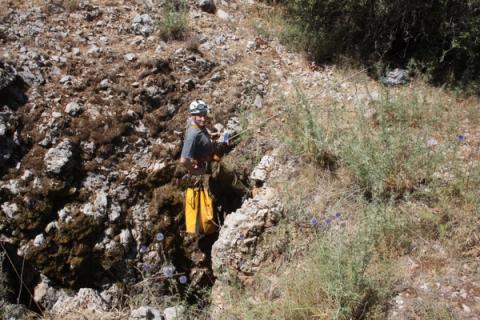
North of Barchata Valley
It was discovered by Shuka Ravek, Eliyahu Vagshal and Yossi Lev Ari on a trip held at the end of the 1970s in the high Hermon together with an Austrian cave researcher. After the cave was discovered and surveyed, it was found to be one of the largest and most impressive caves in the Hermon and Har Dov area. It was named in honor of one of its discoverers, who contributed greatly to cave research in Israel.
Ravek Cave is a large cave consisting of three karstic chimneys that developed along a fracture oriented generally east - west, in Jurassic limestone (Hermon Formation). The cave has a large opening in the side of a wide doline of no defined shape, which developed on the northwestern side of the Barchata Valley.
Cave page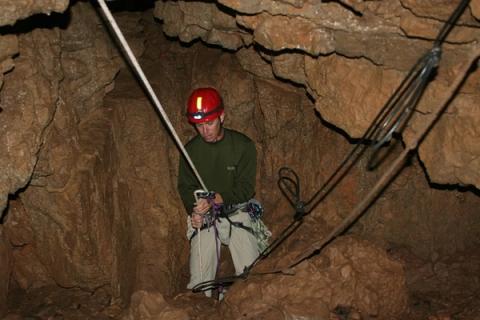
This is an interesting 'aging' system of small chimneys, and it is a fine example of the development of a vadose system in highly fractured rock, as found in the Hermon. On the surface a bowl-like solution doline developed. The system has 5 chimneys and it developed in two fairly parallel arms toward the north-northeast, but today only chimney A connects directly to the surface. The entrance is through chimney A, which is about 7 m deep and about 2 m in diameter.
Cave page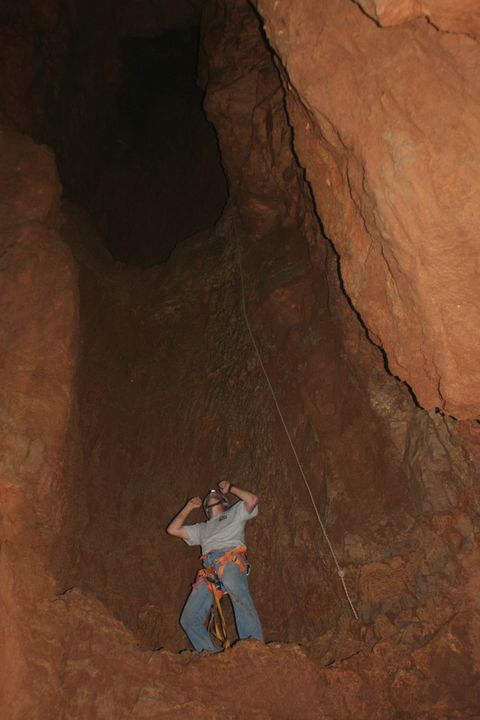
Northwestern slope of the Dovdevan ridge
The Brigade Commander's Chimney Cave developed along a local fracture without a doline. The cave consists of two chimneys: a central chimney 30 m deep and of varying width. A second chimney descends from the floor of the central chimney to an additional depth of 9 m.
Cave page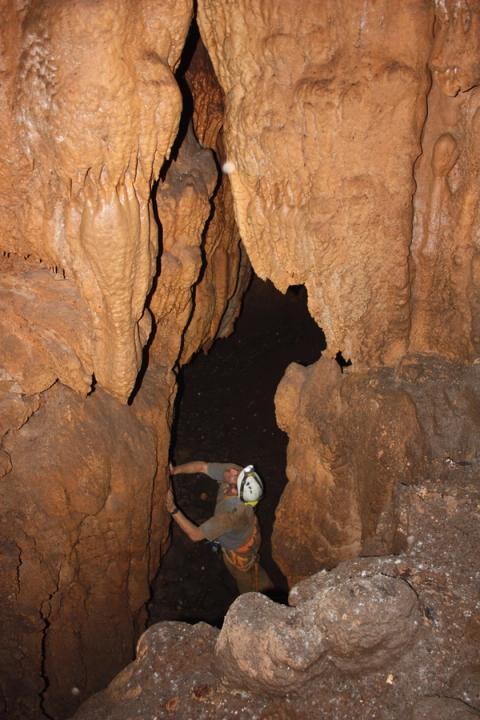
North of Barchata Valley
A medium-sized cave consisting of 5 chimneys that developed in Jurassic limestone (Hermon Fm.).
The cave has a large opening (3 x 3.5 m) at the bottom of a wide collapse doline measuring about 8 x 4 m and 5 m deep. The doline's banks are cliff-like, except for its eastern side, where well-developed hawthorn and plum trees grow and somewhat conceal the doline's presence.
Cave page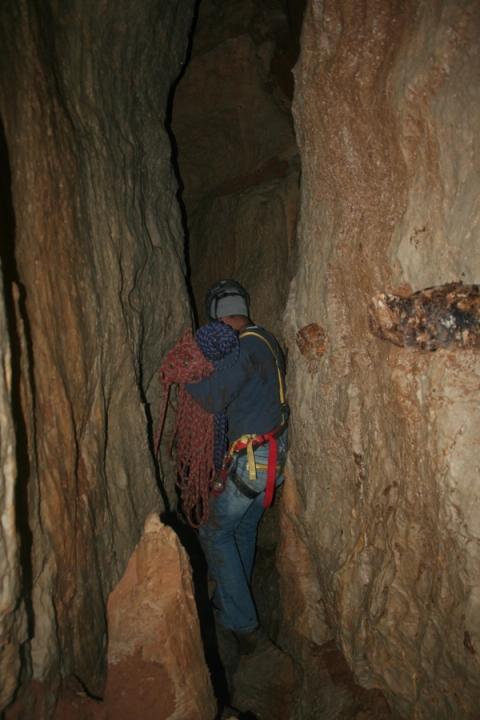
East of the Northern Border Cave and on the southwestern side of Doline 26
Pitulim Cave has a stepped longitudinal profile (Frumkin 1984); the chimneys are similar to other vadose caves in Israel. The passages in this cave are developed to an exceptional degree. On the walls and floors of the cave chambers there are widespread small depressions (scallops, Bogli, 1980) whose dimensions range from millimeters to a few centimeters. The morphology of the cave is distinctly vadose, evidence that the cave developed high above the groundwater level".
Cave page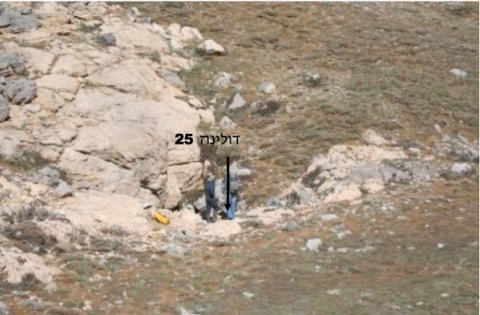
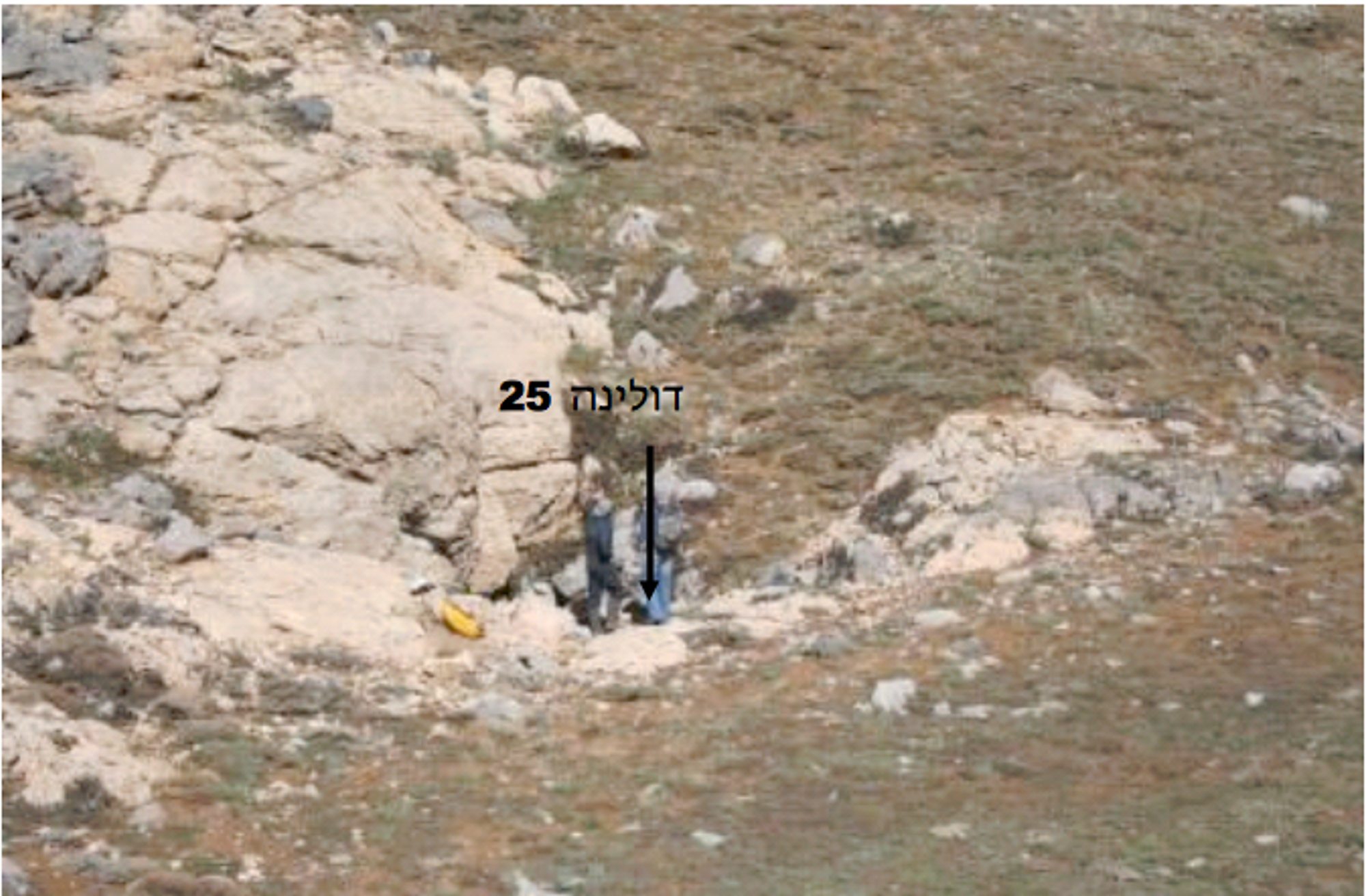
Doline 25, north of Border Point 2121
Doline 25 is a collapse doline that developed adjacent to a slope in dolomitic limestone (morphology characteristic of this rock). The boundary line between the gray limestone and the dolomitic limestone is conspicuous. At the bottom of the doline is a sinkhole through which one cannot pass, but a stone dropped into it fell several meters. Dark gray limestone rocks were found near the doline - evidence of a magmatic intrusion passing through the area
Cave page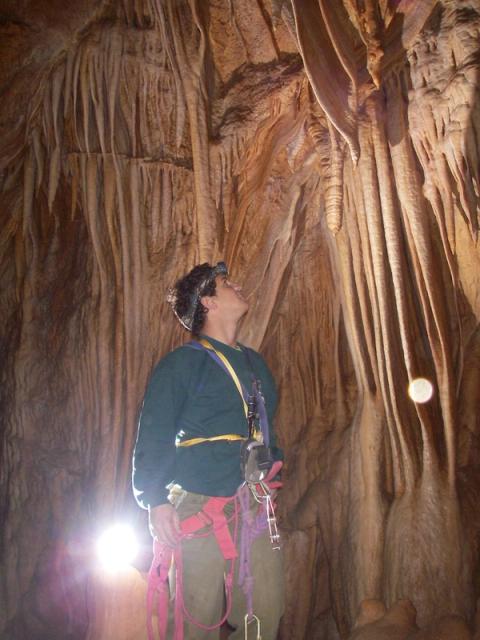
Near the Mitzpe Shlagim outpost
The cave was exposed in 1993 during land preparation work by the army. The cave is built of two vertical chimneys, apparently vadose, but it is difficult to discern original solution features. Most of the walls are covered with impressive speleothems: flowstone surfaces, elephant ears, stalactites and stalagmites, corals, pagodas and cave pearls.
Cave page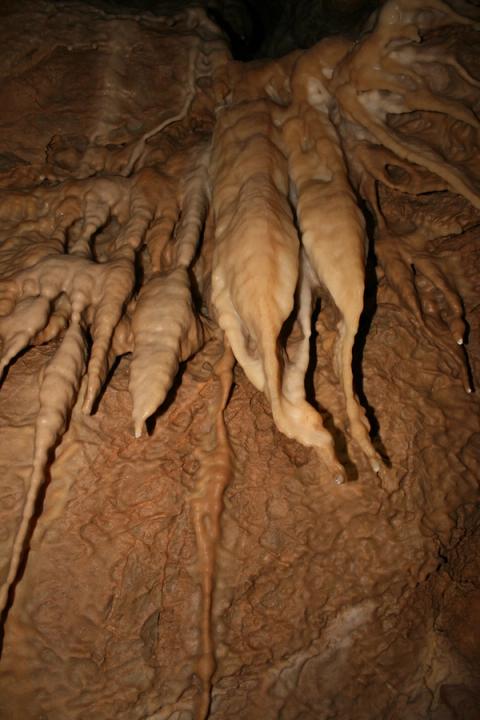
North of Border Point 2121
The cave was given its name because it is the northernmost cave in Israel. Its overall depth is 19 m and it is built of a central chimney at whose bottom a short passage and small cavities developed. At the bottom of the chimney there is a side passage leading to a chamber in which a rich variety of cave deposits formed, along with small, shallow water pools.
Cave page