About the ICRC
Who are we?
The Israel Cave Research Center (ICRC) is a body that was established at the end of the 1970s, originally within the Society for the Protection of Nature in Israel, and later moved to the Hebrew University of Jerusalem. Since its founding the body has set itself the goal of the multidisciplinary study of caves of all kinds, from natural caves to underground spaces created or shaped by humans in the various periods. In this framework, the ICRC quickly became the leading body in the study of the geology and the ancient human activity in the caves of Israel, to the point that one of the senior archaeologists in the country wrote about a decade ago that "this body, which was not originally intended to be an archaeological research institution, made a decisive contribution to the study of the refuge caves in the 1980s and 1990s" (Hanan Eshel, 1998); it seems that this statement can be applied also to other subjects, periods and regions in the study of the caves of the Land of Israel.
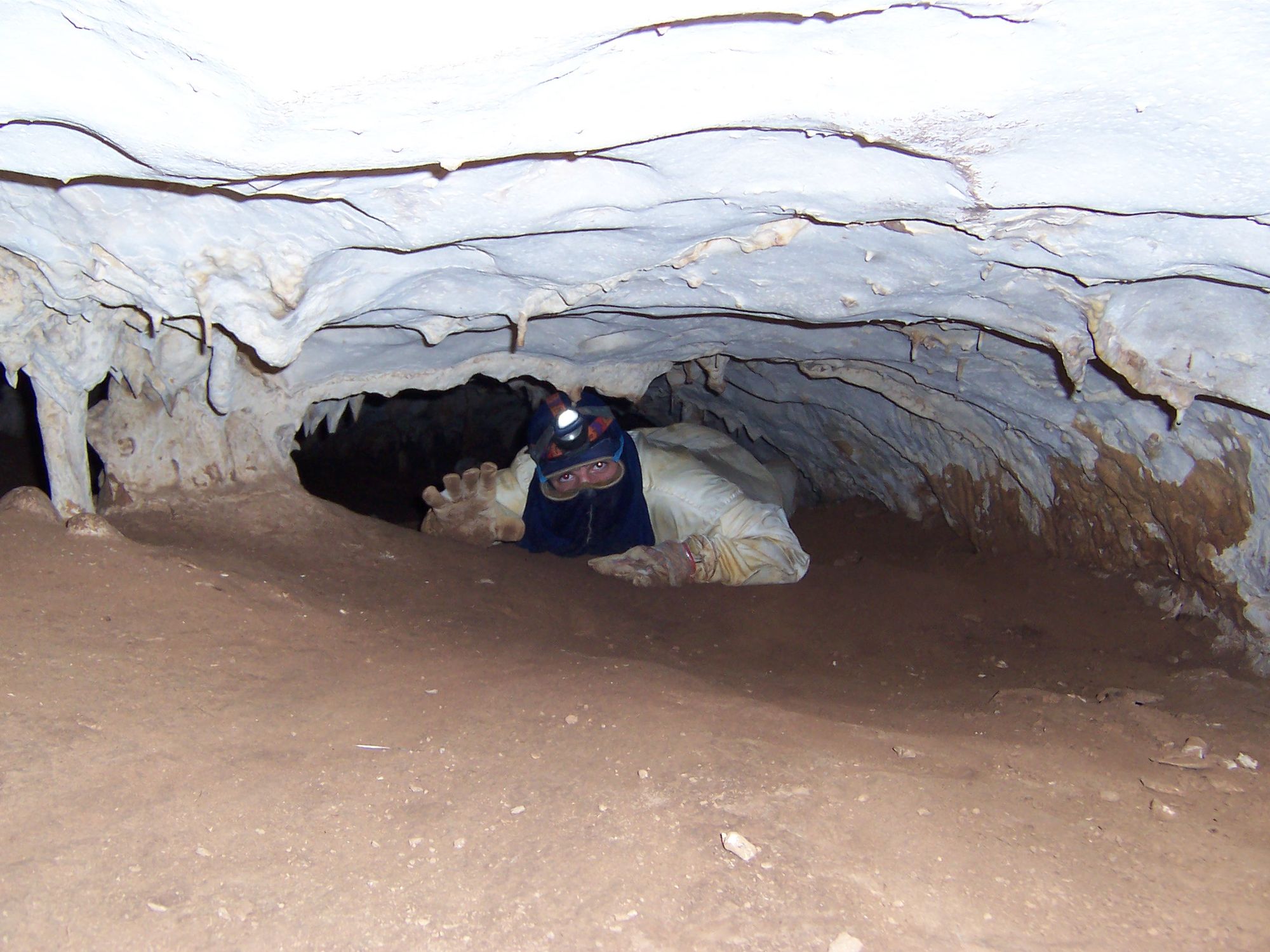
The Cave Research Center has undergone several structural transformations, until it became one of the leading research units in the Institute of Earth Sciences at the Hebrew University of Jerusalem. The center is headed by Prof. Amos Frumkin, and within it operates a diverse group of researchers and cave enthusiasts who are active in various frameworks and contexts, ranging from cave discoveries in systematic and frequent field tours carried out by the center, to research work dealing with broad aspects of human activity in caves that is based on these discoveries. The field work is carried out under the lead of professional field workers and scouts in the field of cave field work ("cavers", speleologists), and relies to no small extent on the spirit of volunteering, the zeal of discovery and the dedication to the field of speleology. In this context, it should be noted that although cave research is an accepted multidisciplinary field of research throughout the world, cave research in Israel is carried out almost solely by the ICRC and by volunteer branches operating in association with it, hence the great importance of this body both to academic research and to the cultivation of the discoveries and areas of knowledge related to caves in the country.
Projects and undertakings
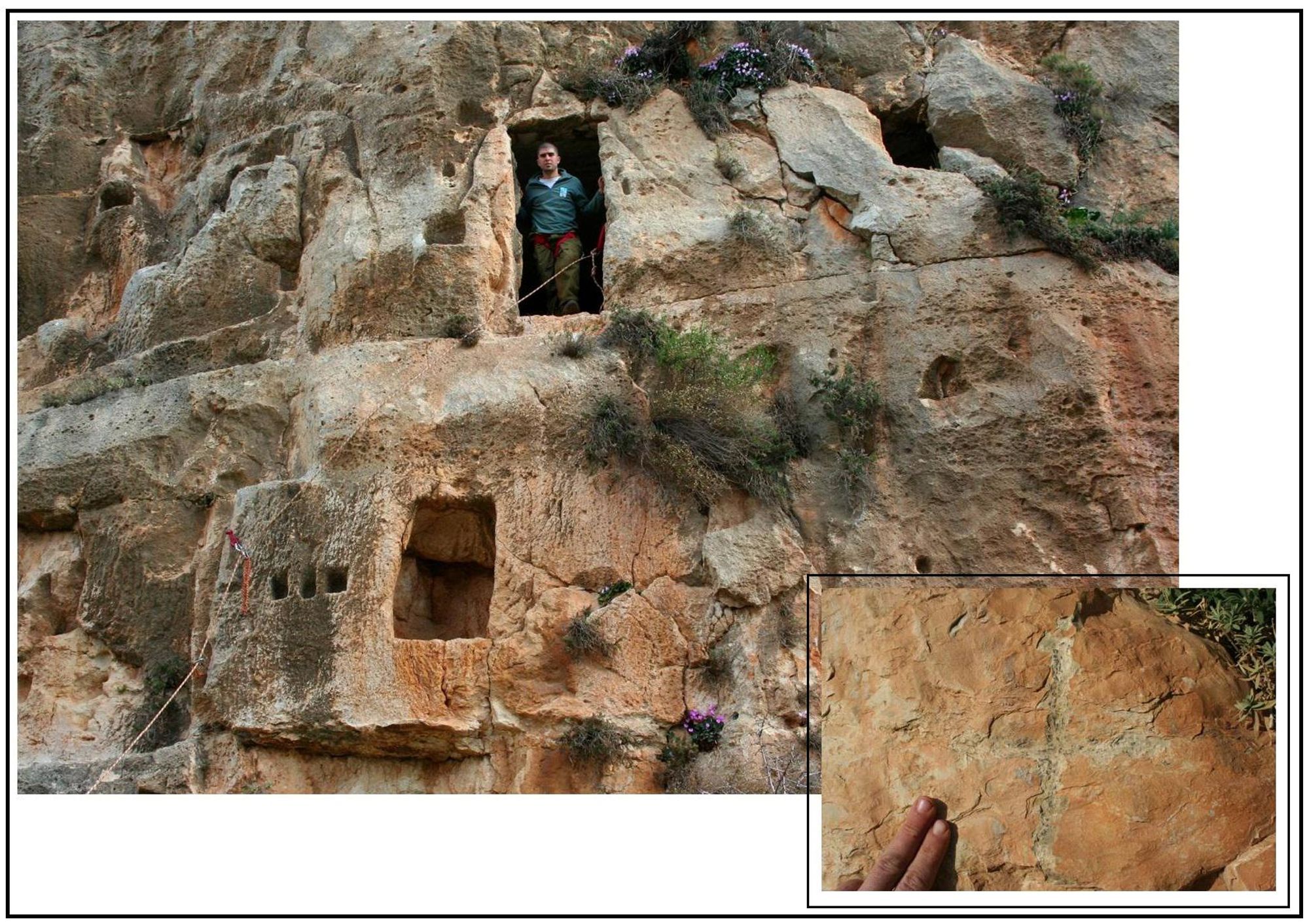
Apart from isolated studies carried out in caves from the middle of the 19th century until the end of the 1970s, most of which focused on research of the prehistory of the Land of Israel (such as the caves of the Carmel and the Judean Shephelah), it can be stated that the discovery and study of most of the caves known today in the country, which number in the tens of thousands, is connected with the activity of the ICRC. In general, the ICRC is active along two main tracks: random discoveries originating in independent field tours by cave enthusiasts, and systematic, intensive projects focusing on field units rich in caves, in connection with specific research questions. Among the prominent undertakings of the ICRC during the last 30 years, we note here the multi-year research in the caves of Mount Sedom, in which about 110 caves with a total length of tens of kilometers were studied, which developed under unique conditions in a salt diapir, among them the longest salt caves in the world; the discovery and study of the caves of the Katef Jericho cliff, in which the last large group of written documents in the caves of the Judean Desert was found; the speleological development of regions rich in karst activity (the natural way caves form, which is widespread in the rocks of Israel), among them regions whose subsurface was a "terra incognita", such as Mount Hermon, the Upper Galilee and the Binyamin region, including the location, mapping and study of the caves in these regions; the discovery and study of Ayalon Cave in the Lod Shephelah, in which a unique ecological system was found containing nine species new to science and a previously unknown family of scorpions, in a maze cave that is one of the largest caves in Israel (2.5 km); and the discovery and investigation of many of the hiding complexes (rock-cut caves from the Early Roman period) known today from the Judean Shephelah and the Galilee.
To illustrate the activity of the ICRC, both its ongoing activity in discovering and studying the contents of the caves of Israel, and the activity derived from varied research questions, we briefly present two examples from recent years. In 2005-2001 a systematic cave survey was conducted in the fault escarpment west of the Dead Sea, in the section between Qumran and Ein Gedi, intended to examine the distribution map of the refuge caves from the days of the Bar Kokhba revolt, which until then were known mainly from the areas north and south of the survey section. During the survey about 400 caves were examined, of which about 25 caves contained evidence of refuge from the days of the revolt. These previously unknown caves contained a variety of weapons from the days of the revolt, among them an improvised spear that is a unique find in the entire Roman world, a variety of coins minted by the rebels including two hoards, many food remains (seeds and fruits) and objects made of organic materials (leather, wood, bone), as well as two written documents. These finds served as the basis for a reassessment of the course of the revolt in its last months, when Jewish refugees and rebels fled to the Judean Desert because of the fighting in the settled areas of Judea, and there waged small-scale guerrilla warfare against the Roman forces until the end of the revolt.
In 2009, as part of the ongoing activity of the ICRC, the Cave of the Twins was examined again. This is a large karst cave located in the western Judean Mountains, which had been known to research since the end of the 19th century, and had been examined in the past by surveyors of the Palestine Exploration Fund (the PEF), René Neuville, one of the pioneers of the prehistory of the Land of Israel, and Gideon Mann, one of the pioneers of cave research in Israel. During the renewed examination of the cave, which included (as is customary in the routine work of the ICRC) a systematic examination of the cave's spaces using various aids, a system of deep spaces was rediscovered in the inner part of the cave. During the mapping of this system three valuable hoards from the days of the Bar Kokhba revolt were found, totaling 120 coins, containing the largest group of silver coins discovered during archaeological research of this revolt. This surprising discovery, which is the result of the supreme importance the ICRC attributes to repeated examination of significant caves, and the result of the meticulous work methods and the spirit of dedication to the goal that stands before the members of the ICRC in their work, was only the first in a series of discoveries that testify for the first time to the presence of large refuge caves from the days of the Bar Kokhba revolt also in the western parts of the territory of the rebel state, in the Judean Mountains and the Samarian Shephelah.