Lighting candles in caves is forbidden! Candles pollute and harm the cave and its wildlife.
Israel Cave Research Center (ICRC)
The Israel Cave Research Center (ICRC) is a body that was established at the end of the 1970s, originally within the Society for the Protection of Nature in Israel, and today as part of the Institute of Earth Sciences at the Hebrew University of Jerusalem. Since its founding the body has set itself the goal of the multidisciplinary study of caves of all kinds, from natural caves to underground spaces created or shaped by humans in the various periods. In this framework, the ICRC quickly became the leading body in the study of the geology and the ancient human activity in the caves of Israel.
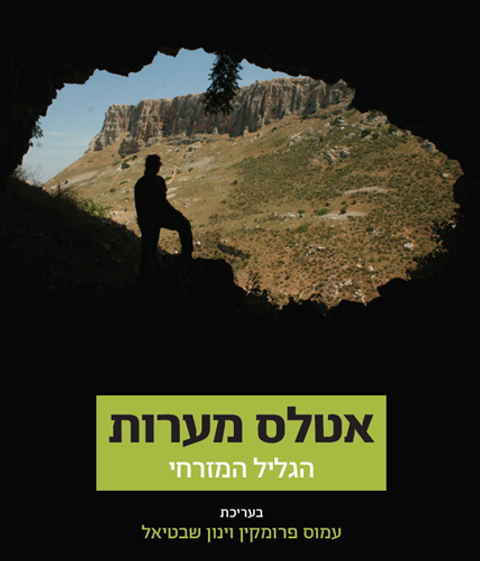
Photo: Boaz LangfordSome of the sites are located within nature reserves. The publication should not be regarded as a recommendation to visit the specific sites, and where necessary, responsibility for obtaining entry permits rests with the visitors on site.
Notice board
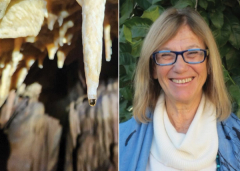 Congratulations to Prof. Miriam Bar-Matthews, Israel Prize laureate. A geochemist who studied mainly cave deposits and put Israel on the map of understanding ancient climate through its record in stalactites and stalagmites.Details
- Student wanted: MSc or PhD candidate for research on cave formationDetails
- Expedition to map the longest salt cave in the world – 2020 expedition summaryRead
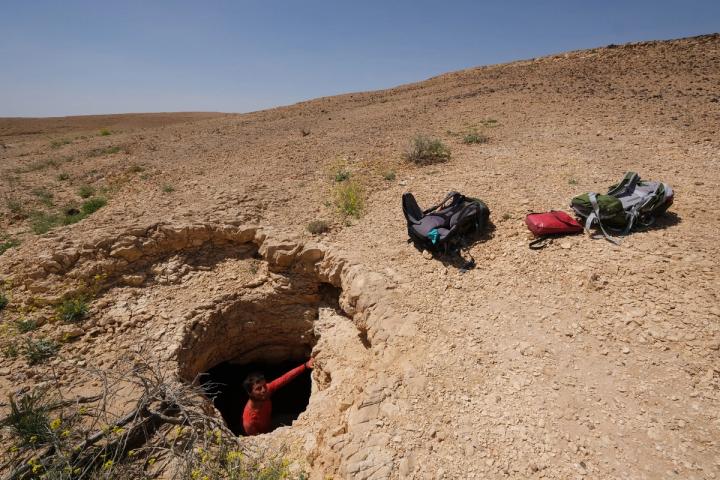
- Mount Dov cave survey – a decade after the previous cave survey in the areaRead
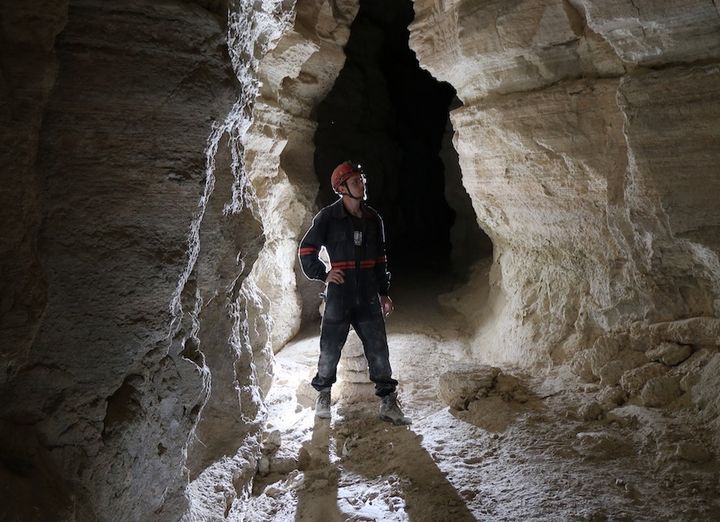
- 13 years after the record was taken from it, Malham Cave is again the longest salt cave in the world. Its passages total more than 10 km.Read
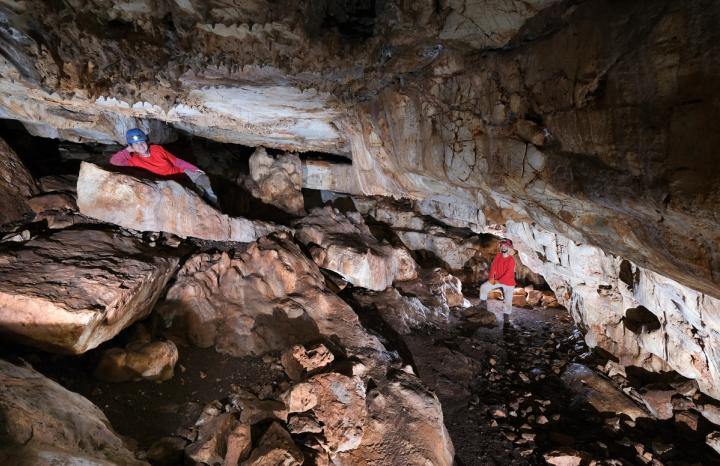
- A stalactite cave was discovered during infrastructure works for the new Nofei Elkana neighborhood in the town of Elkana.Read
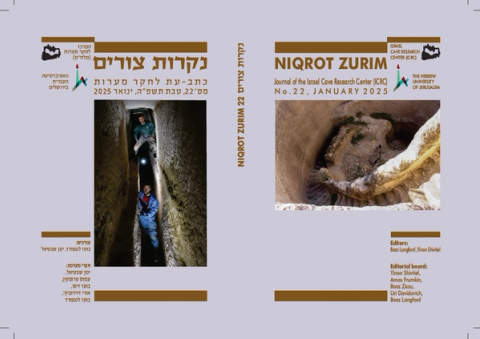
New caves on the site
Cave surveys on the site
Caves by region
- the Golan and Hermon
- Merom HaGalil and Mount Meron
- the Western Upper Galilee
- the Lower Galilee
- the Carmel and the Menashe Hills
- Samaria and the Gilboa
- the Binyamin Region
- the Judean Mountains
- the Jerusalem Mountains (Prozdor)
- the Northern Shfela and the Coastal Plain
- the Judean Shephelah
- the Northern Judean Desert
- the Southern Judean Desert
- Mount Sedom
- the Negev