This page was translated from Hebrew and has not been reviewed yet. The Hebrew page is the reference. עברית
Karstic Voids in Nahal Besor
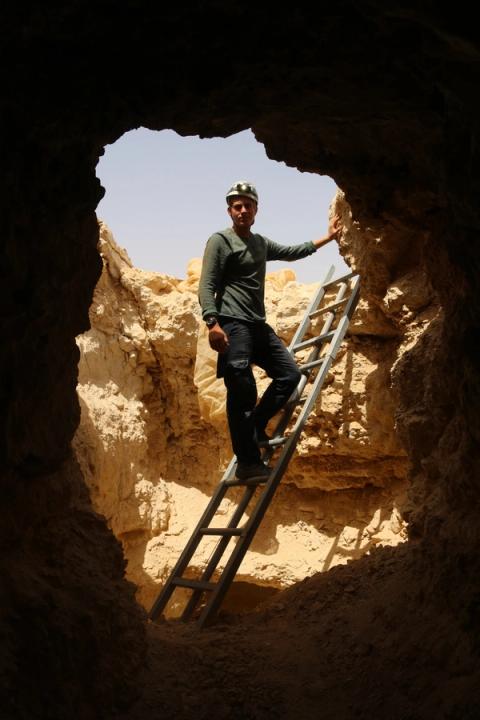
Hewn Cave - Nahal Besor
Nahal Besor
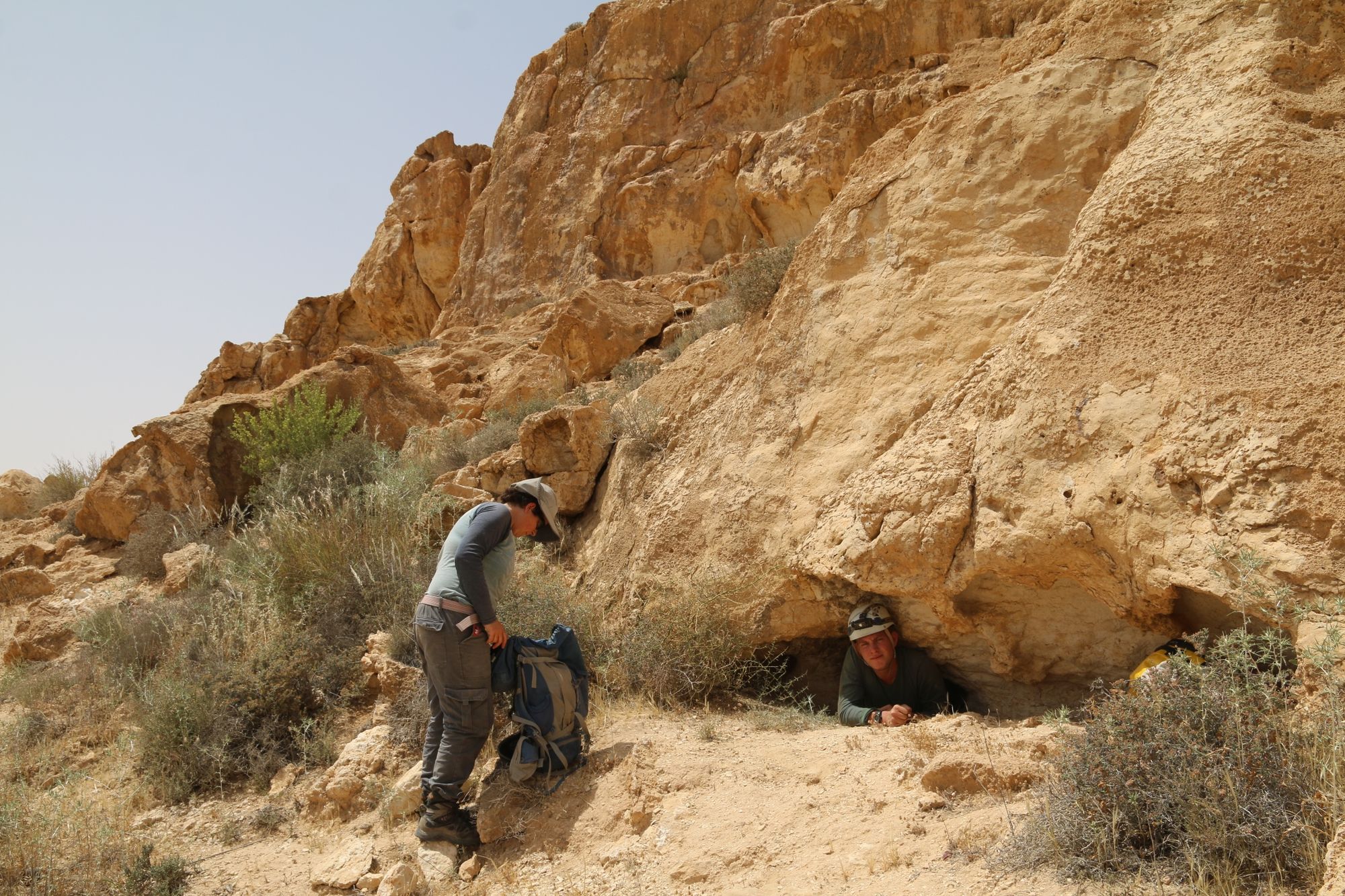
A small cave consisting mainly of a single horizontal passage. The total length of the cave is 30 m and its depth reaches 6.5 m. Unlike the other caves known in the region, this cave was formed in dolomite rock of the Tamar Formation and not in limestone of the Shivta Formation.
Cave page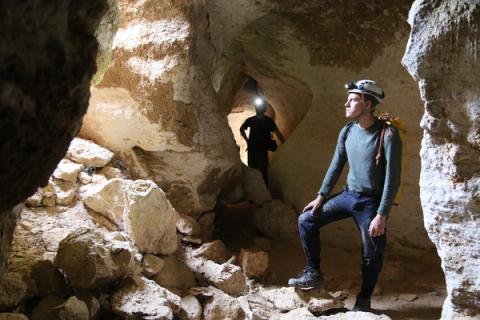
Nahal Besor Cave
Nahal Besor
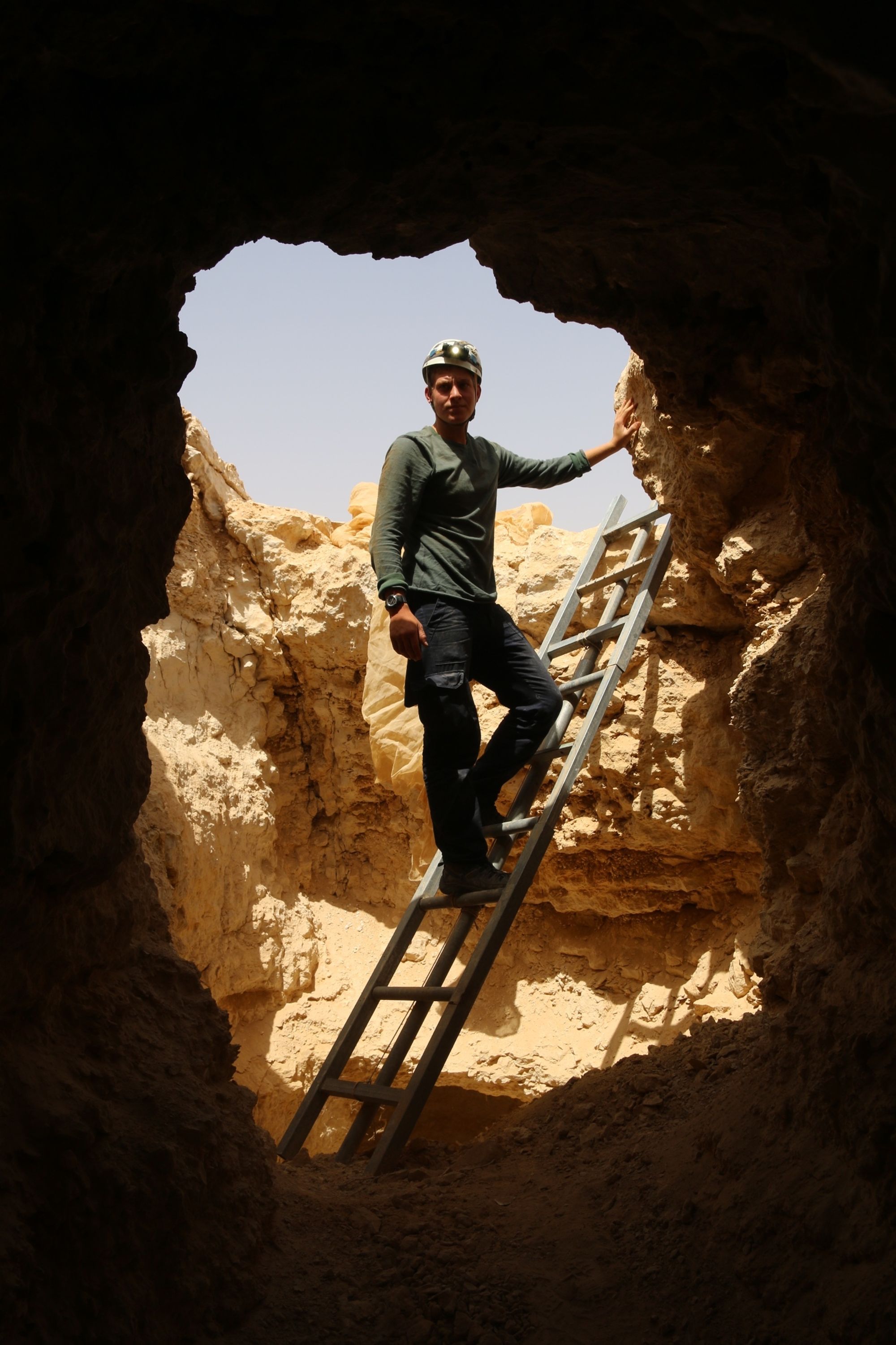
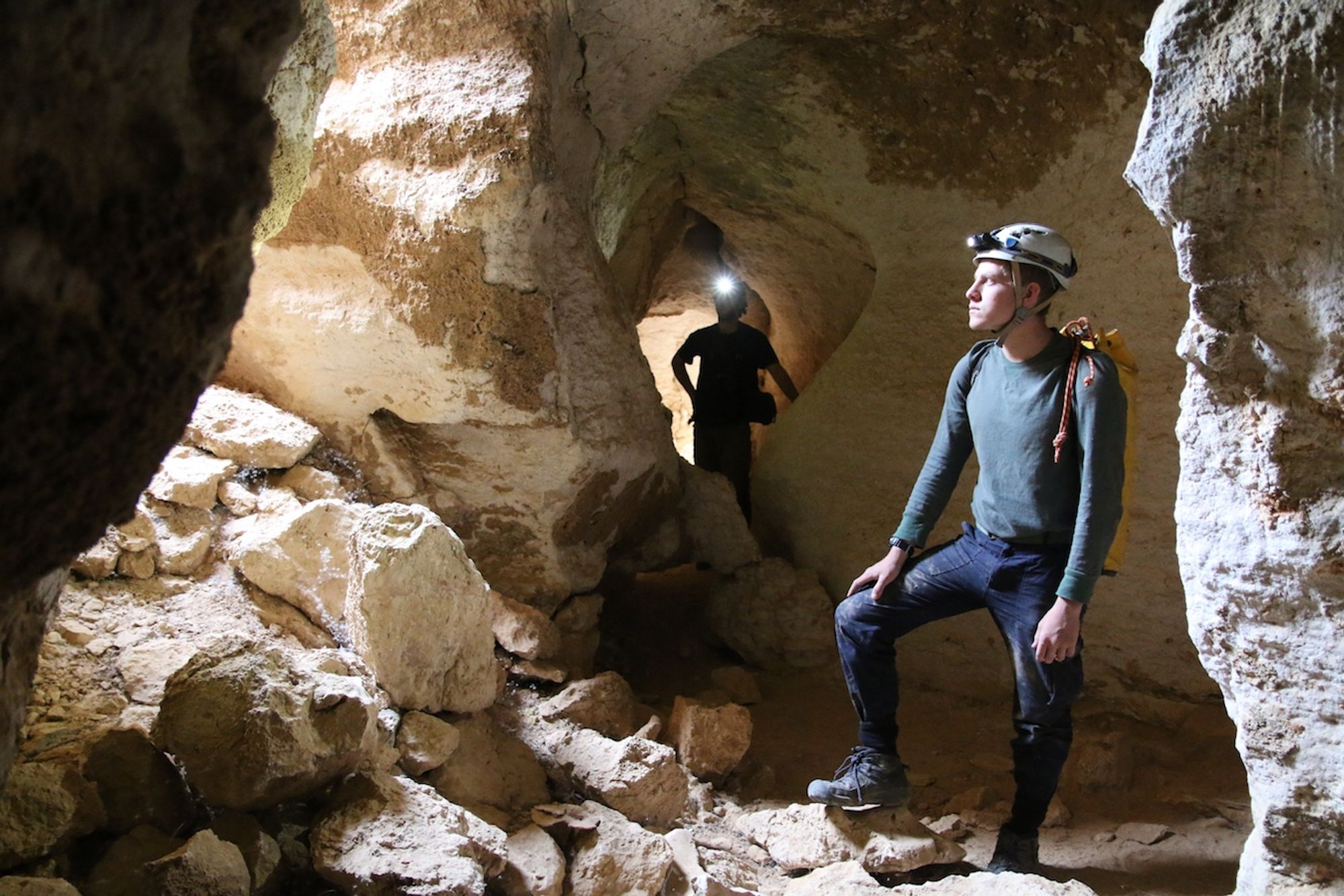
A small cave consisting mainly of an elongated corridor and several secondary passages. The total length of the cave stands at 35 m and its maximum depth reaches 6 m. Dissolution domes and rounded dissolution marks indicate that the cave was formed below the groundwater, in the confined aquifer of the Shivta Formation.
Cave page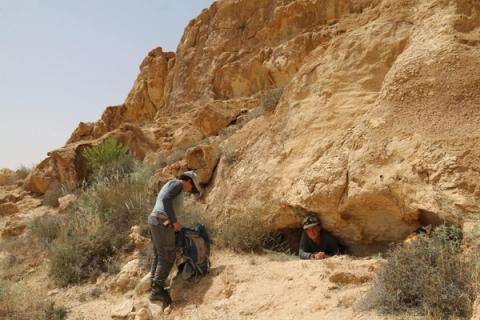
Besora Cave
Ha-Dayka of the Besor
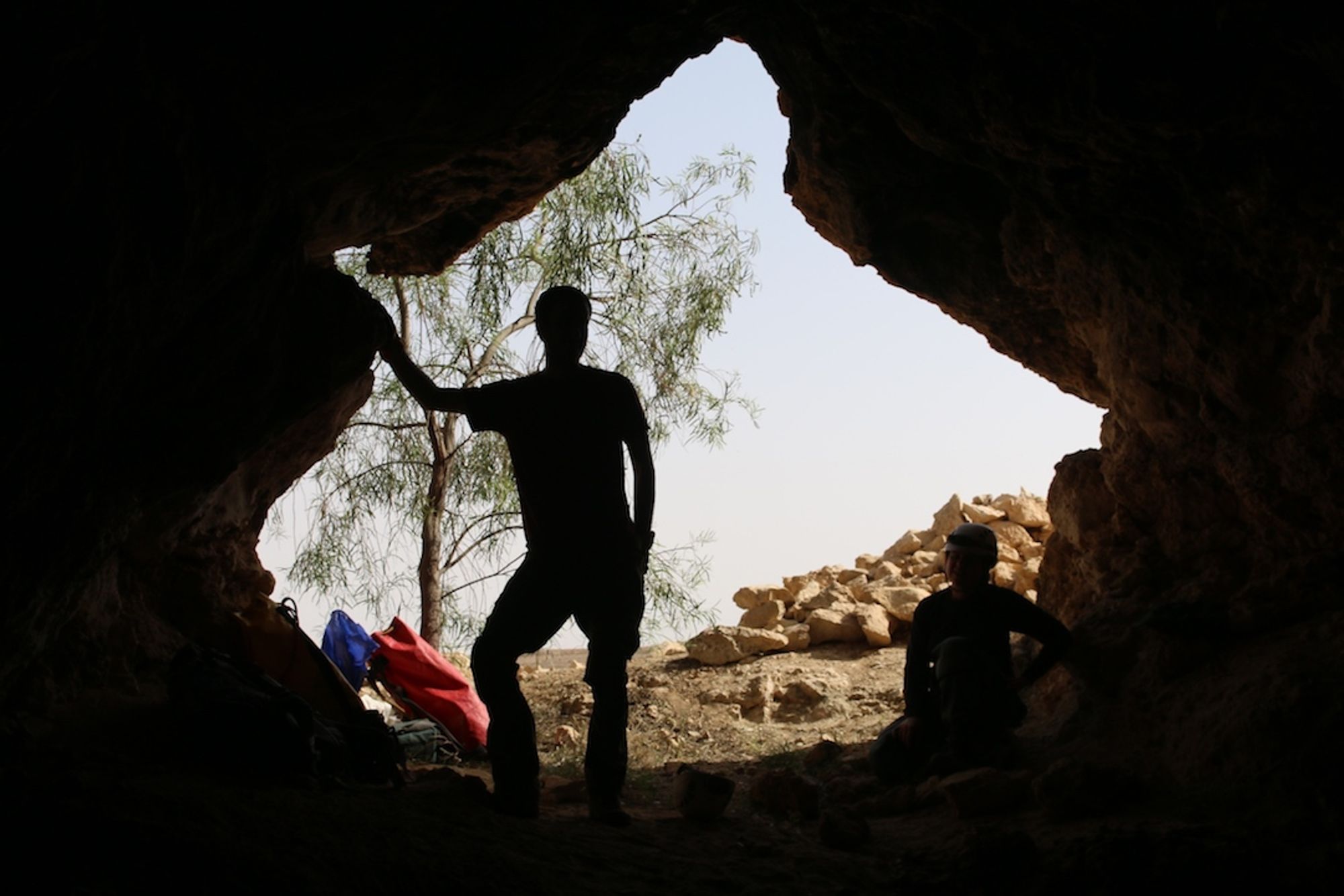
A small cave consisting mainly of a short, two-level passage. The cave was discovered by Micka Ullman, during a partial survey of voids carried out at the site by the ICRC team
Cave page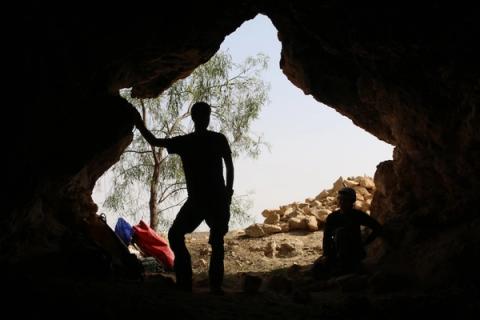
Otzar Cave
Ha-Dayka of Nahal Besor
A small cave consisting mainly of a developed chamber and a side passage. The total length of the cave stands at 41 m and its maximum depth reaches 12 m. Rounded dissolution marks indicate that the cave was formed below the groundwater in the confined aquifer of the Shivta Formation. Processes that took place after the cave was formed include the deposition of gypsum and salt deposits as well as a significant accumulation of abundant sediments.
Cave page