New Stable Cave, Western Negev, Retamim
- Grid ref.
- 120437/051638
- Elevation
- 270 m above sea level
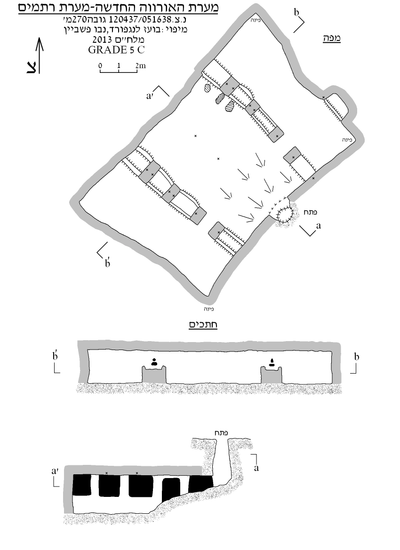 Cave mapView the map (PDF)
General:
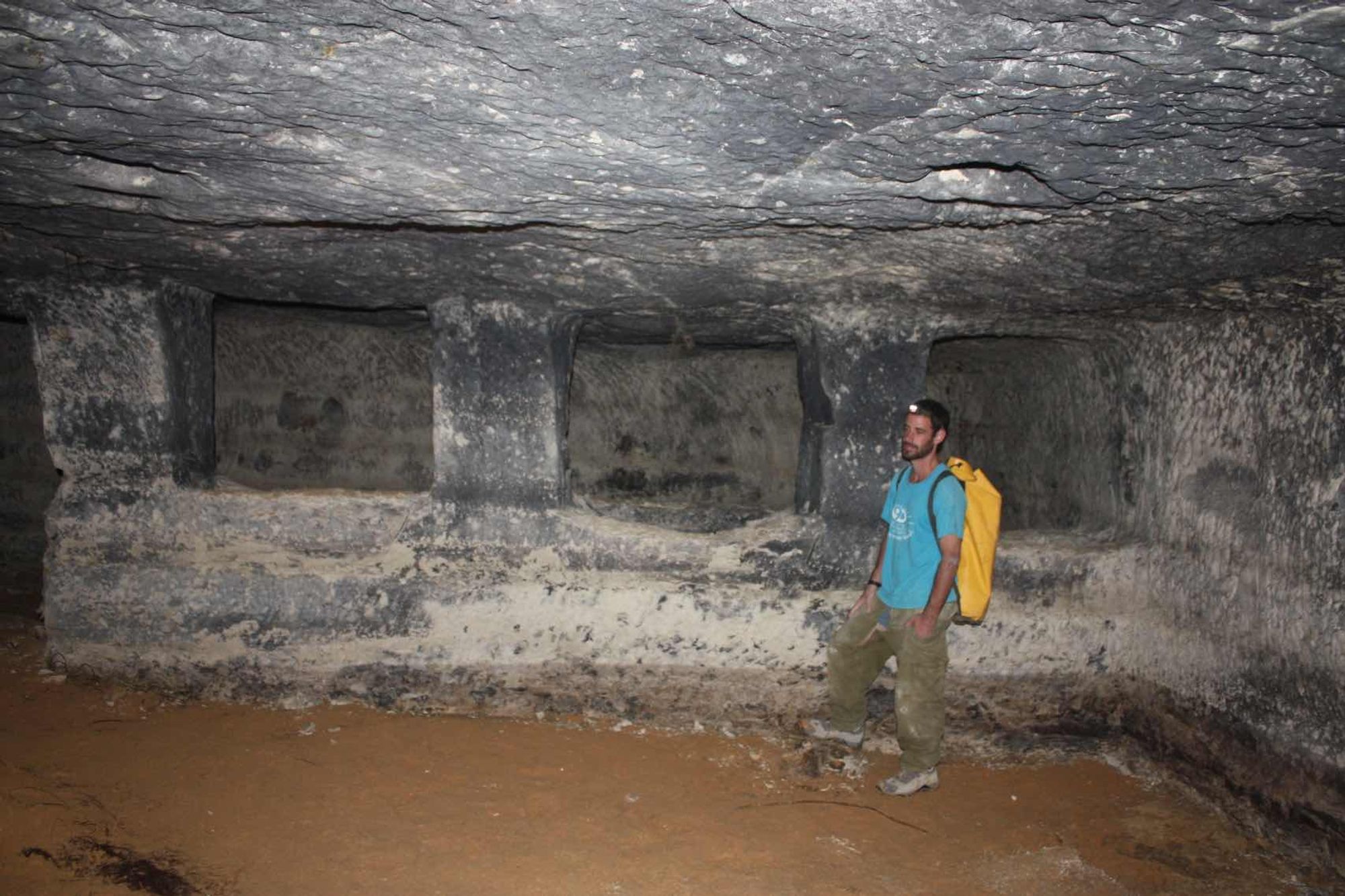
The New Stable Cave is a medium-sized cave (total length 20 m) consisting of a square chamber hewn into chalk of Middle Eocene age (Maresha Formation).
The cave was discovered in the spring of 2012 by Shlomi Aharon and the youth of Kfar Retamim. The discovery of the cave took place after a Nabataean water cistern was accidentally found while laying the foundations of a mikveh building. After its discovery the cistern was blocked with earth, so Shlomi tried to locate it again. The point suspected to be the location of the cistern was dug by the youth of Kfar Retamim using water pressure and after deepening of more than a meter the ground suddenly collapsed. An examination of the space beneath the opening revealed that the water cistern was still blocked, but in its place a stable cave was discovered, the second in number in the Retamim area.
The cave was examined and mapped in October 2013 by Vladimir Boslov, Nevo Fishbein and Boaz Langford.
Description of the cave:
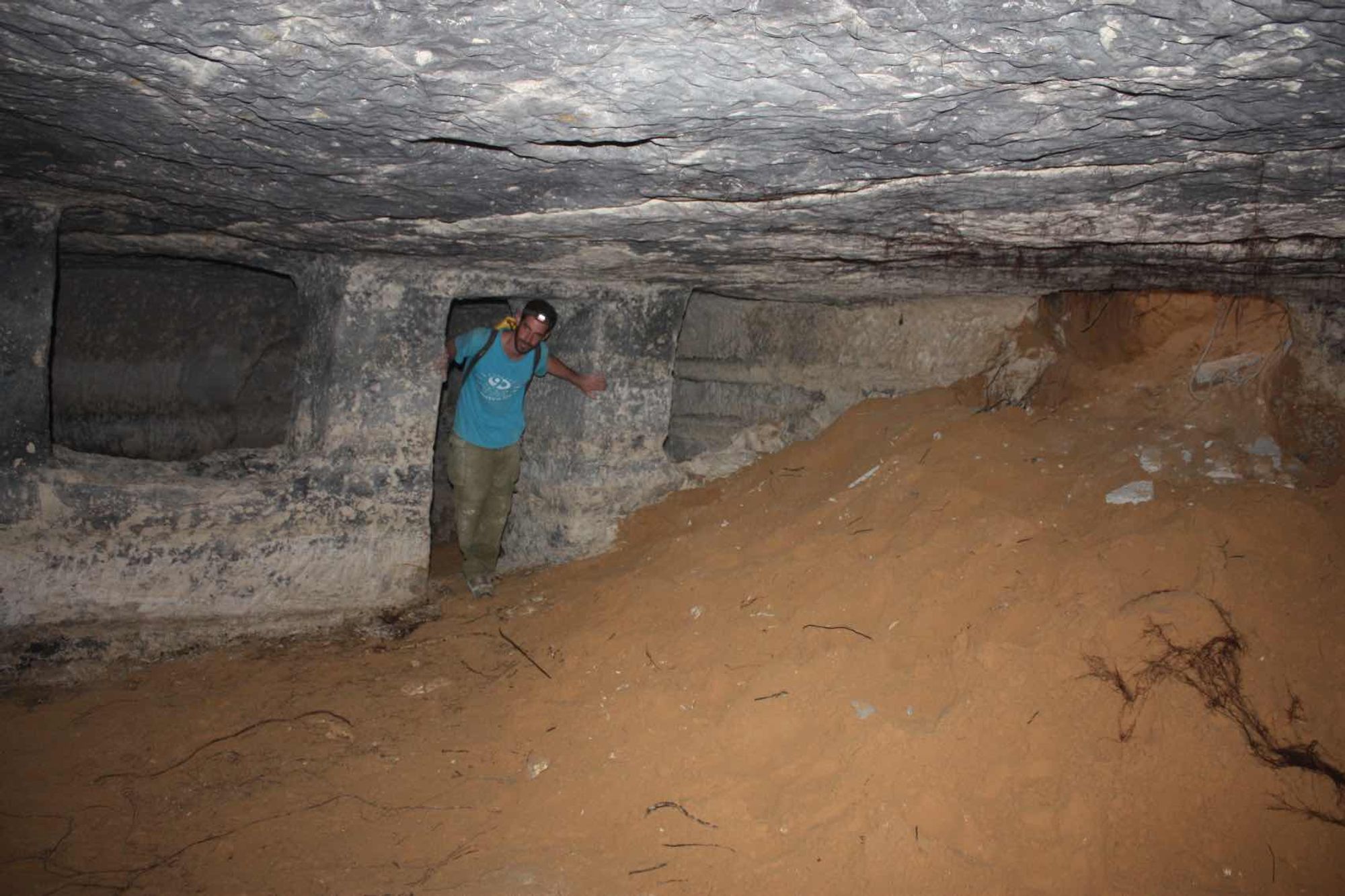
The cave has a rounded vertical entrance that is now blocked by a concrete slab. The entrance leads to a vertical shaft (depth 2.5 m) that crosses a sand barrier that completely plugged the original entrance of the cave. The shaft connects to the center of the southeastern wall of the cave space, and a sand talus that penetrated through it now covers the floor of the center of the space.
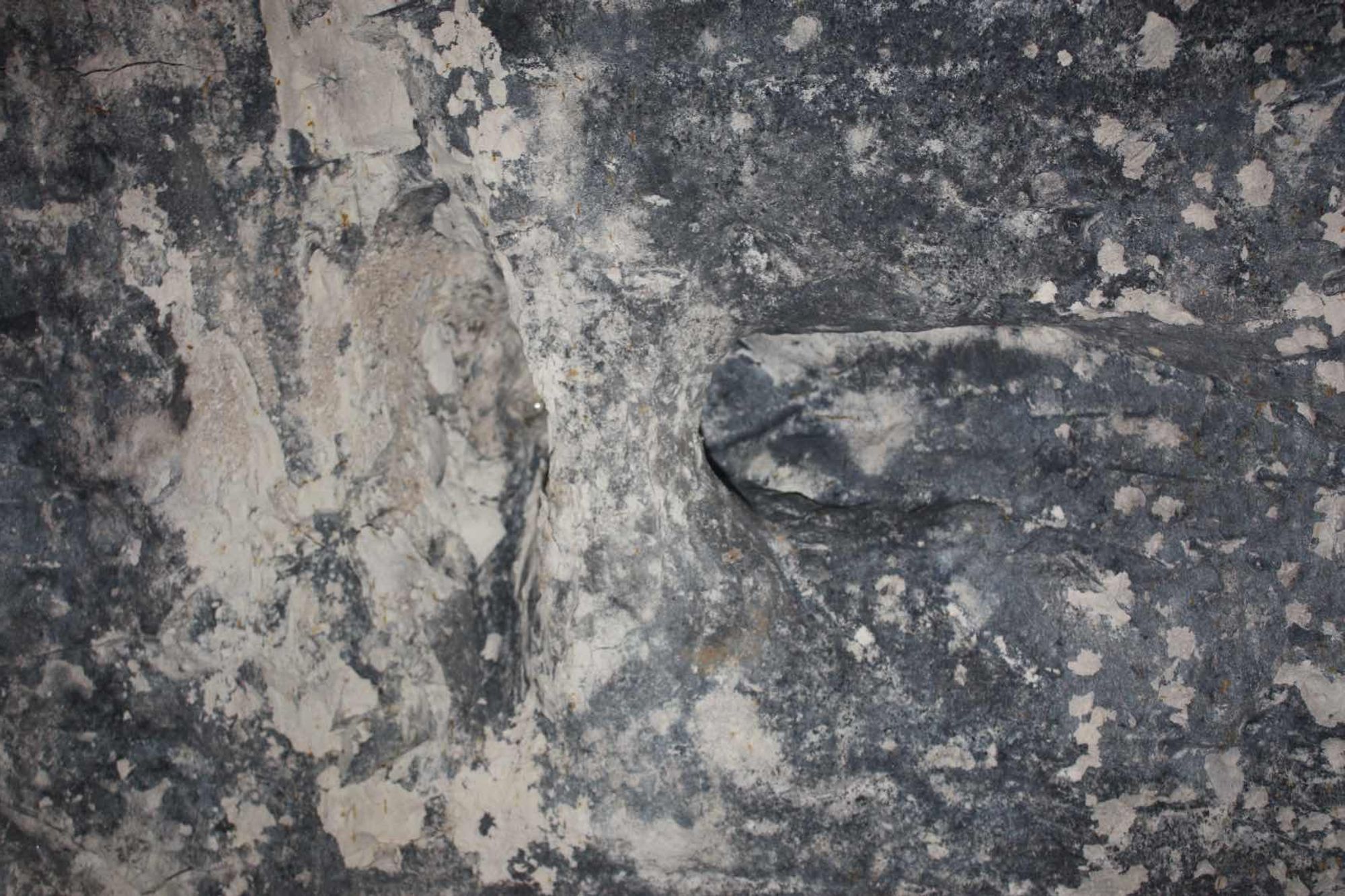
The cave space consists of a square chamber of 12.5X7.5 m and a typical height of 2 m. The chamber floor is horizontal and covered with sand. The chamber ceiling and walls extend in straight, prominent lines in which there are many quarrying marks. On the two sides of the chamber (the northeastern side and the southwestern side) there are thick walls in which square windows were hewn. At the base of the windows rectangular basins were hewn that served as mangers for the animals housed in the cave. On the eastern side of the walls a tall rectangular opening was hewn, which allowed leading the animals from the center of the space to the manger area. A "view" manger, which is not part of the two rows of mangers, was hewn opposite the opening in the northern row of mangers. To tie the animals in place, 16 small rock bridges were hewn, appearing at various points in the cave space. Most were hewn on the pillars separating the mangers and some were hewn in the ceiling of the center of the space.
Notes:
- Access to the cave is possible through the settlement of 'Kfar Retamim'.
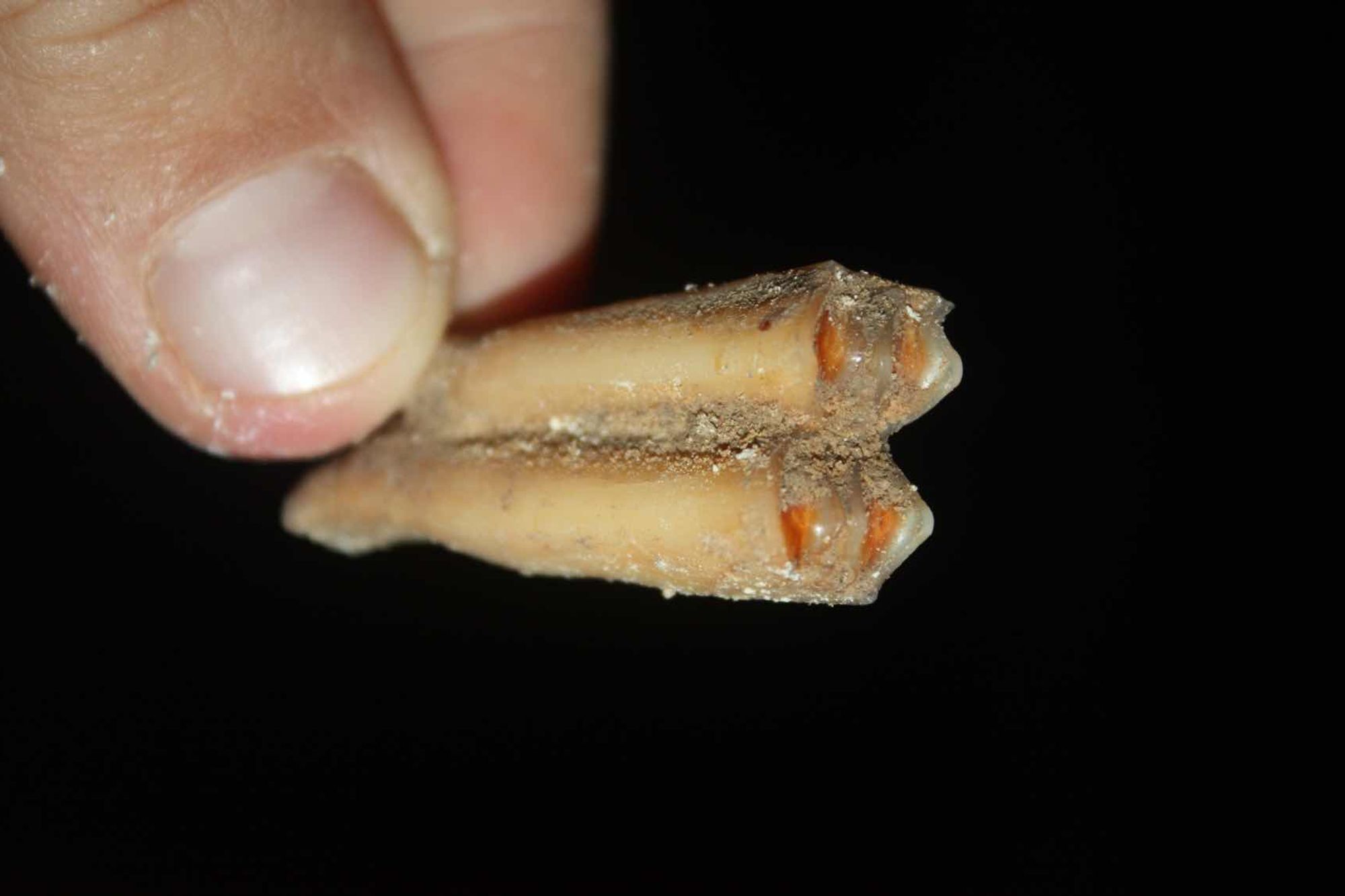
- Animal bones and teeth are scattered in the cave area, as well as very few potsherds.
- No bats were seen in the cave and no guano was visible.
Written by: Boaz Langford
Region: Western Negev