Kur Cave, Samaria
- Location
- Lower Nahal Teenim
- Elevation
- 283 m above sea level
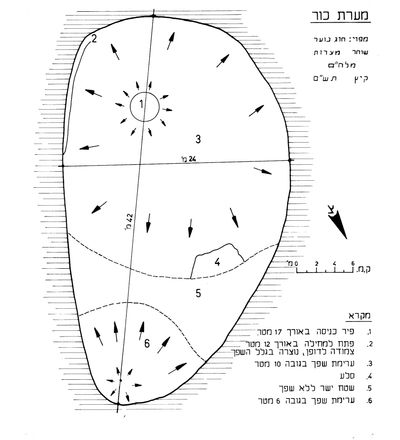 Cave mapView the map (PDF)
Description of the Cave:
Kur Cave is a large chamber cave formed by hypogenic dissolution processes in Turonian limestone (Bina Formation). The cave was surveyed and mapped by the ICRC youth club in the summer of 1980.
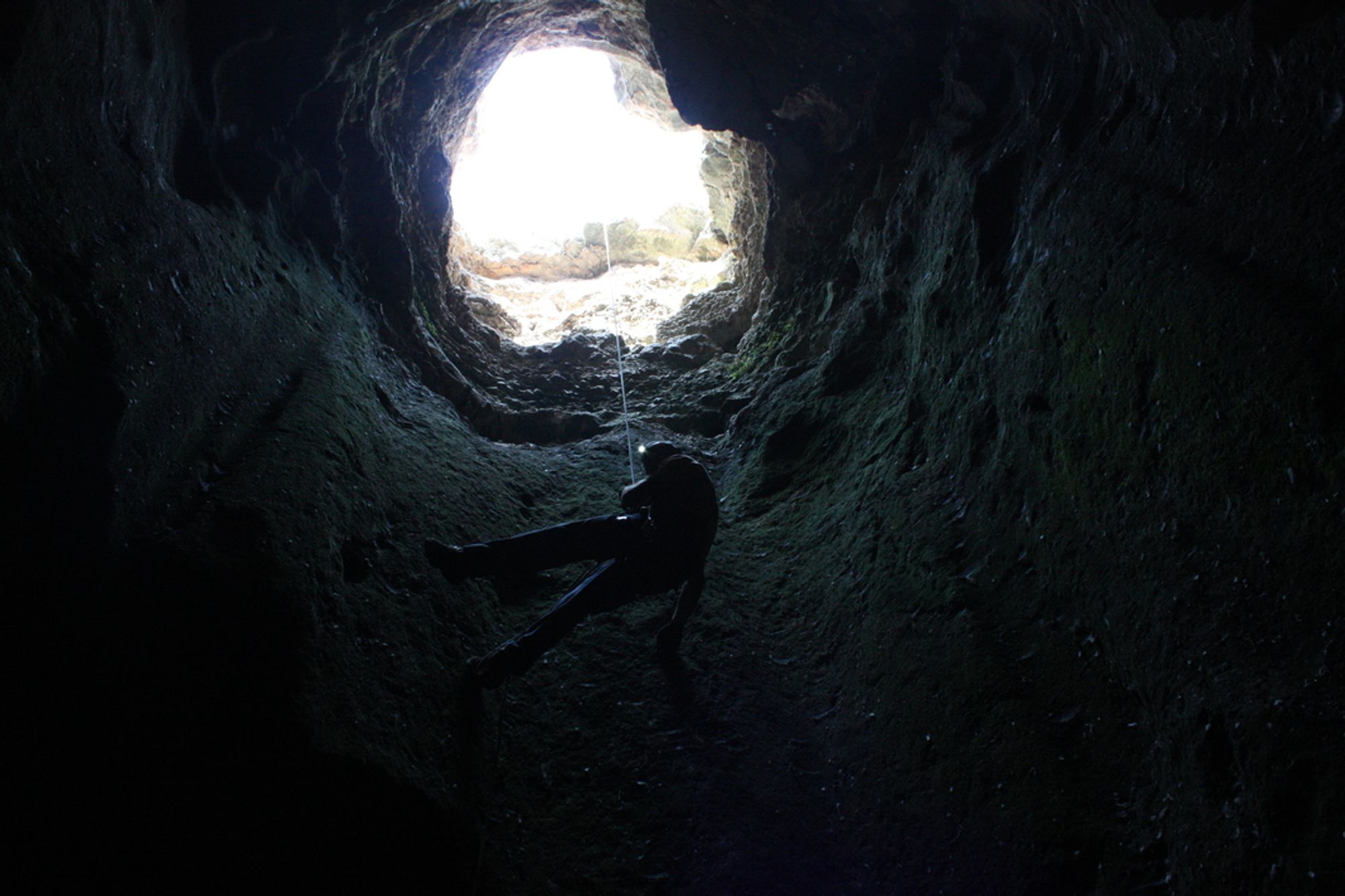
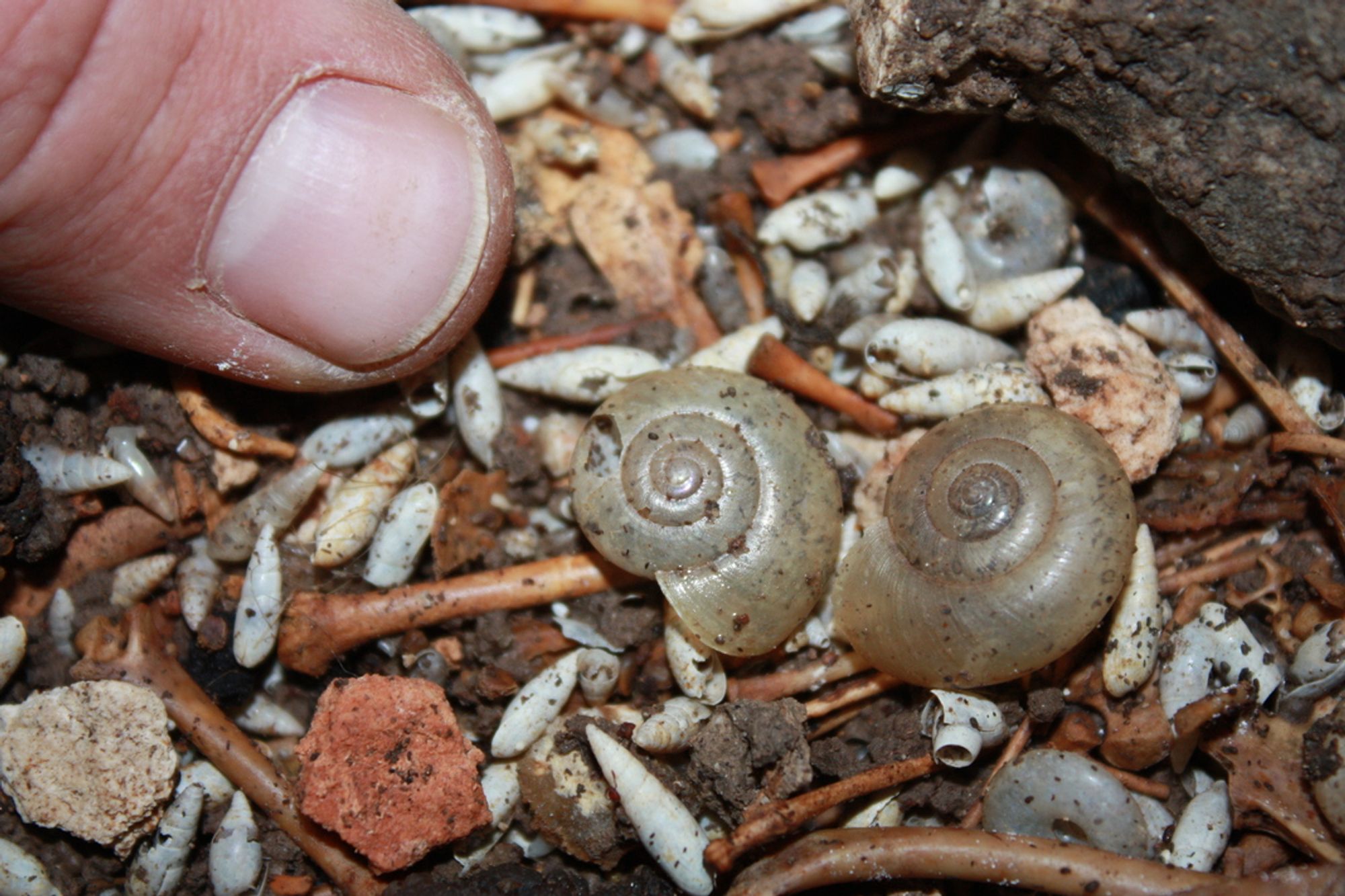
The cave has a vertical entrance exposed at the edge of a level area on the northwestern side of a wide dome on which the village of Kur (Horbat Kur) was built. The entrance measures about 4X2.5 m and is elliptical in shape. From the entrance a rounded vertical shaft extends downward, widening as it descends (shaft depth about 17 m). The shaft walls are damp and covered with green moss. Pigeons nest in natural niches in the shaft walls. In one of these niches a large nest was built, more suitable for nesting of a large bird (raven/raptor). At its bottom the entrance shaft connects to the southern side of a giant elliptical chamber that makes up most of the cave volume. The chamber measures 42X24 m and its height exceeds 15 m. The chamber floor consists of piles of many collapse rocks, mostly covered with droppings and bones of fruit bats that roost in the chamber (hundreds/thousands of individuals were observed, September 2012). On the southern side of the chamber, below the entrance shaft, there is a high pile of spoil. The southern and western sides of the pile are fairly steep, while its northern side is gentle. At the edge of this side of the spoil pile the carcass of a donkey and vehicle tires that had been thrown into the cave were found. There are very few cave deposits on the chamber walls. Many snails of several species are scattered over the entire chamber floor.
Notes
- One can drive up to 20 m from the cave entrance on the road connecting Kafr Tzur and Kafr Kur. For security reasons the cave entrance can be reached on foot from the community of Kedumim.
- Entering the cave requires rope (about 20) and rappelling equipment. The rope can be anchored to a tree trunk growing about 1 m west of the entrance.
- Several hundred or thousand individuals of the Egyptian fruit bat were observed in the cave.
Written by: Boaz Langford