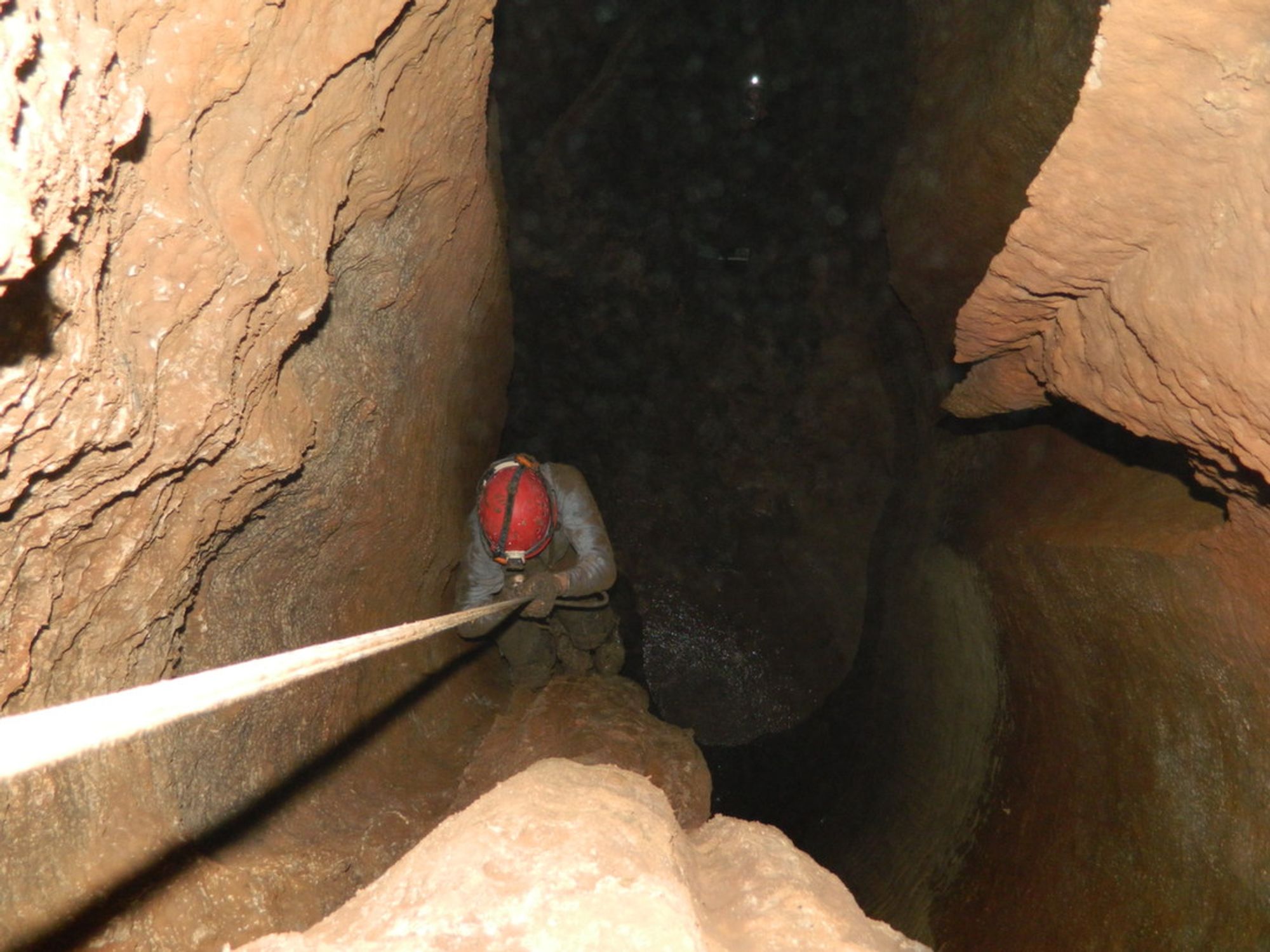
HaUma Cave, Jerusalem
- Location
- Jerusalem
Description of the cave:
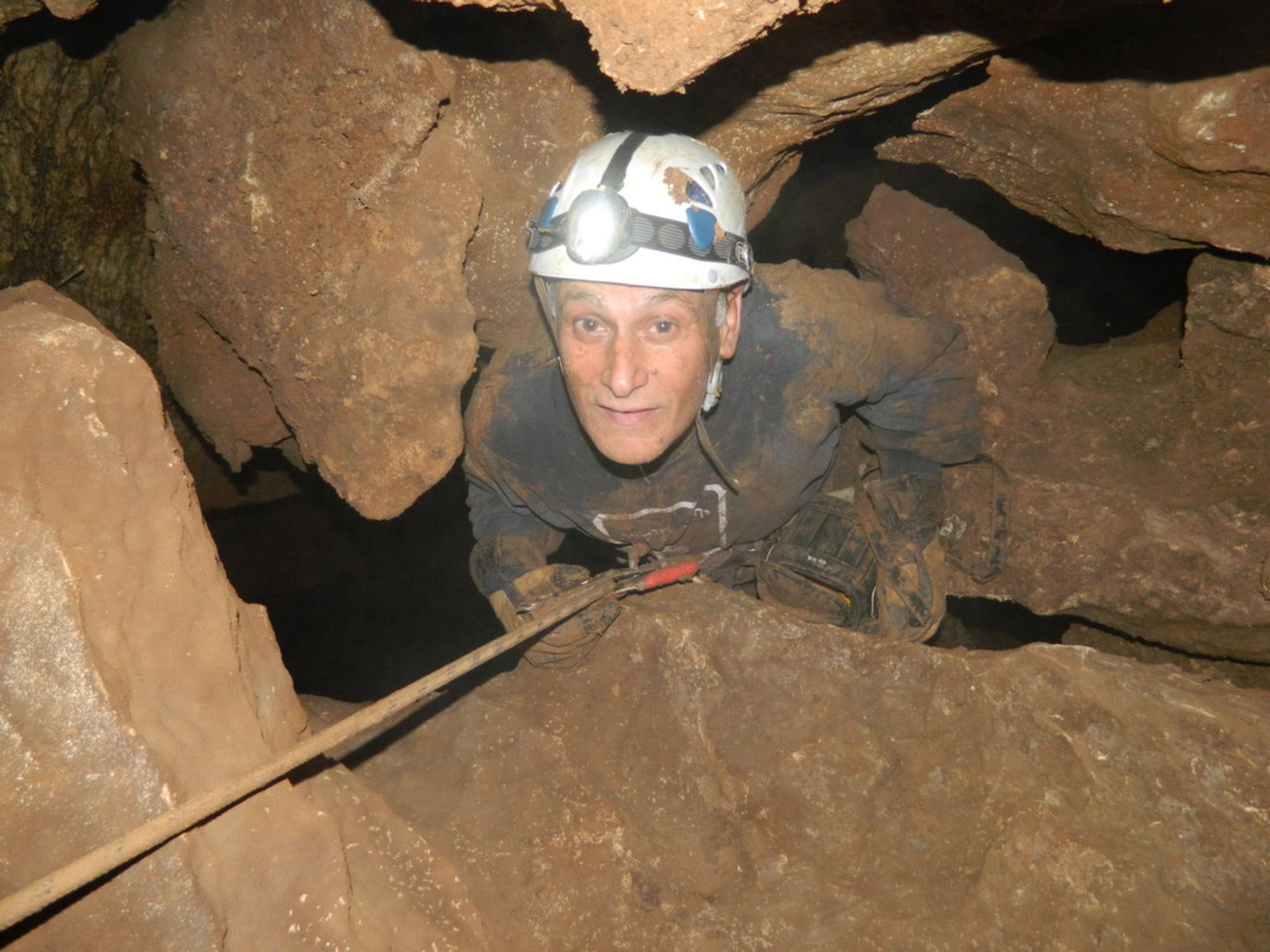
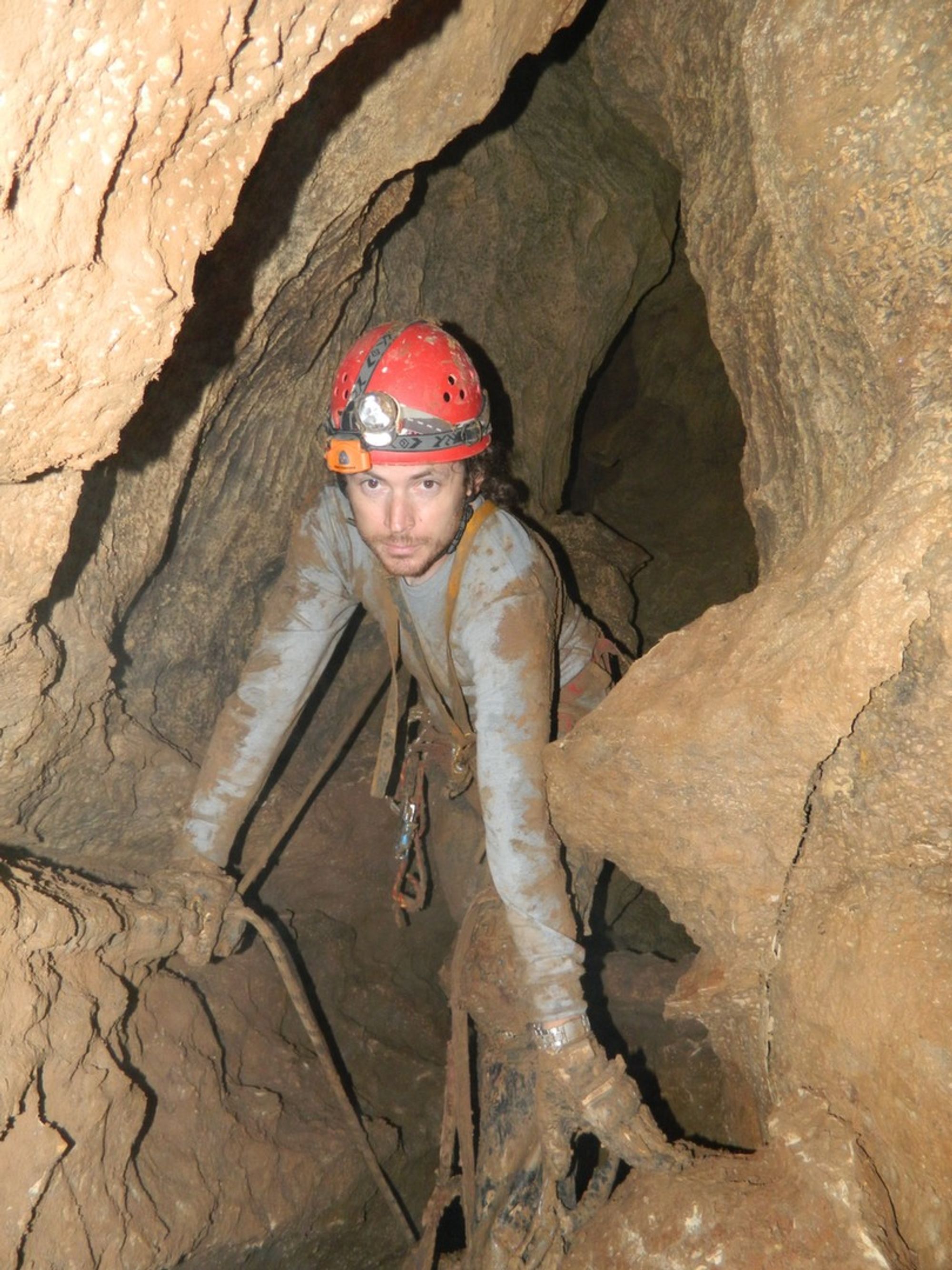
HaUma Cave is a giant cave consisting mainly of a vadose canyon (an underground flow channel draining water in the aerated zone) that incised into limestone and chalk of Cenomanian age (Kfar Shaul Formation).
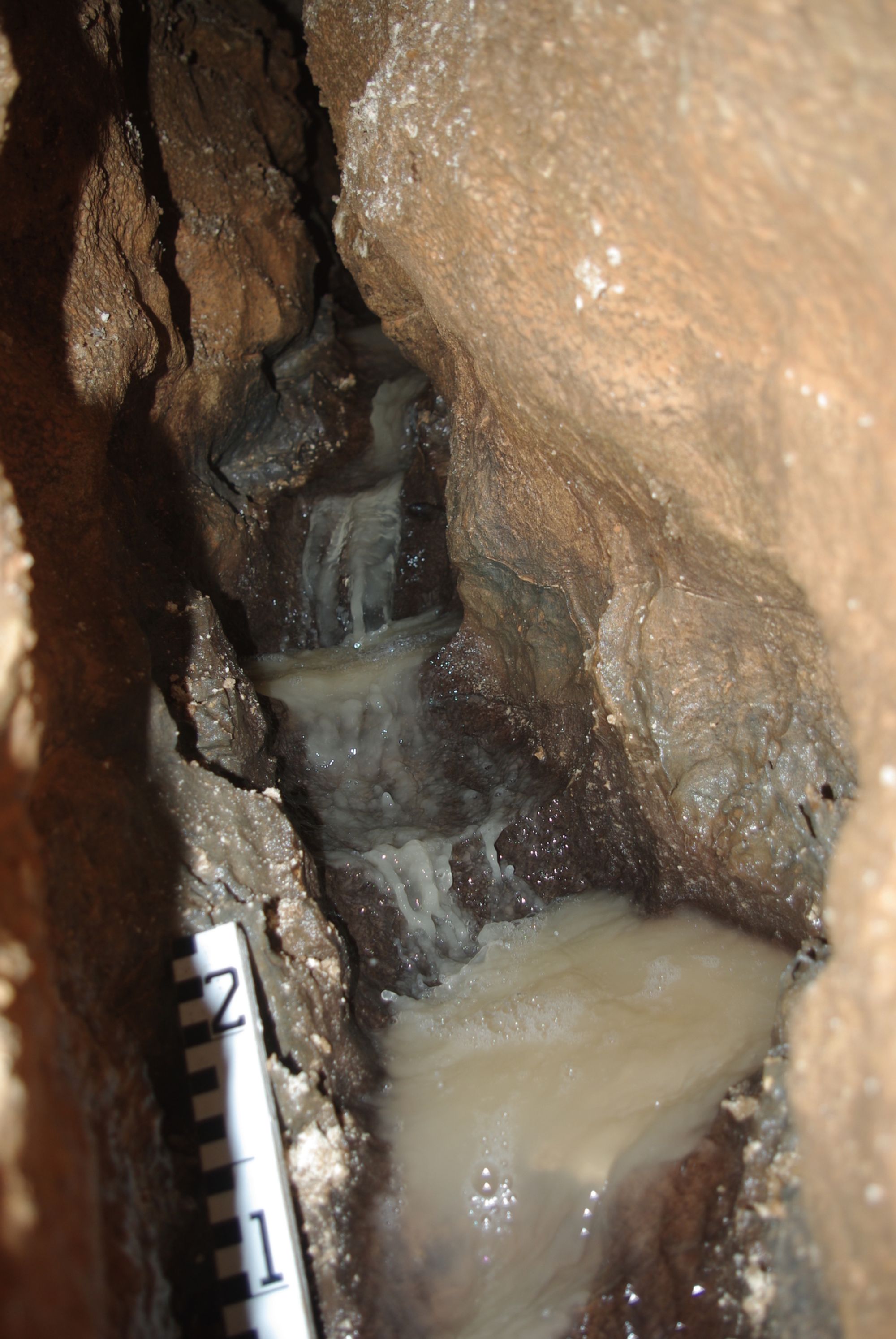
In the channel there is a constant flow of water that varies with the seasons (between 4 m3 per hour in summer and 26 m3 per hour in winter).
The flow direction, which is also the downslope direction of the passage, is from northwest to southeast. Along the natural canyon, vadose dissolution morphology created by aggressive water stands out. Among other features, meanders (windings), ledges and chutes, and dissolution scallops were observed.
The cave was exposed during the excavation of the service shaft of the Binyanei HaUma railway station in Jerusalem (the new A1 line Jerusalem - Tel Aviv), between Binyanei HaUma and the Central Bus Station. The cave was cut by the shaft, which was excavated to a depth of about 75 meters below the surface and about five meters above the (planned) bottom of the shaft.
Upstream, northwest of the railway shaft, an original passage with a round cross-section has been preserved, which may have formed below the water table, at the intersection of a bedding plane and a crack.
This section was filled by concrete injection so that today it is blocked to passage. Downstream, in the southeastern section of the railway shaft, the passage continues, becoming wider until it becomes a canyon that grows higher and wider as the vadose channel incises.
At a distance of about 200 meters downstream from the excavated shaft the canyon descends in a series of small waterfalls whose total height reaches 20 meters. Beyond the waterfall area the passage continues in sharp bends (meanders) while narrowing. Vertical chimneys, whose height reaches about 20 meters, connect to the passage ceiling.
HaUma Cave is the largest and most impressive vadose canyon in the country.
It adds Israel to the list of places with underground streams, which are common mainly in tropical and temperate regions. The cave has hydrological importance since it allows monitoring of groundwater and of water leaking from pipes in the area of the future railway station and beneath other areas of the city of Jerusalem.
Written by: Amos Frumkin