Caves of Central Israel
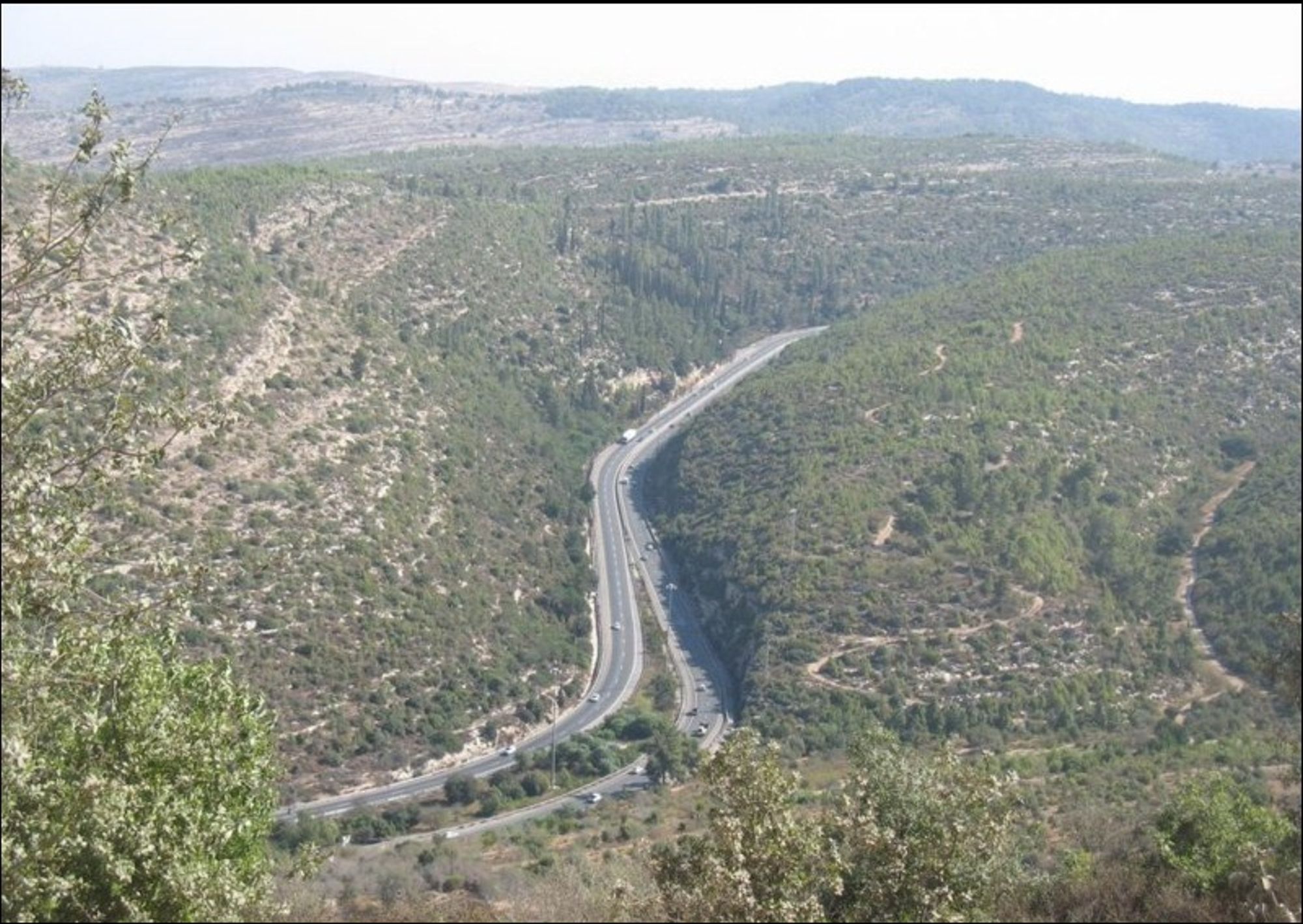
Judean Mountains
A mountainous region extending from Har Ba'al Hazor to the Beersheba Valley in the south, between the Shephelah to the west and the Judean Desert to the east. The Judean Mountains are part of the western mountain ridge of the Land of Israel and formed the heart of the Kingdom of Judah. The mountains are built mainly of limestone and dolomite rocks.
The Judean Mountains have a Mediterranean climate with an average precipitation of 400-650 mm of rain per year.
The region is rich in karstic phenomena, the most famous of which is Avshalom Cave.
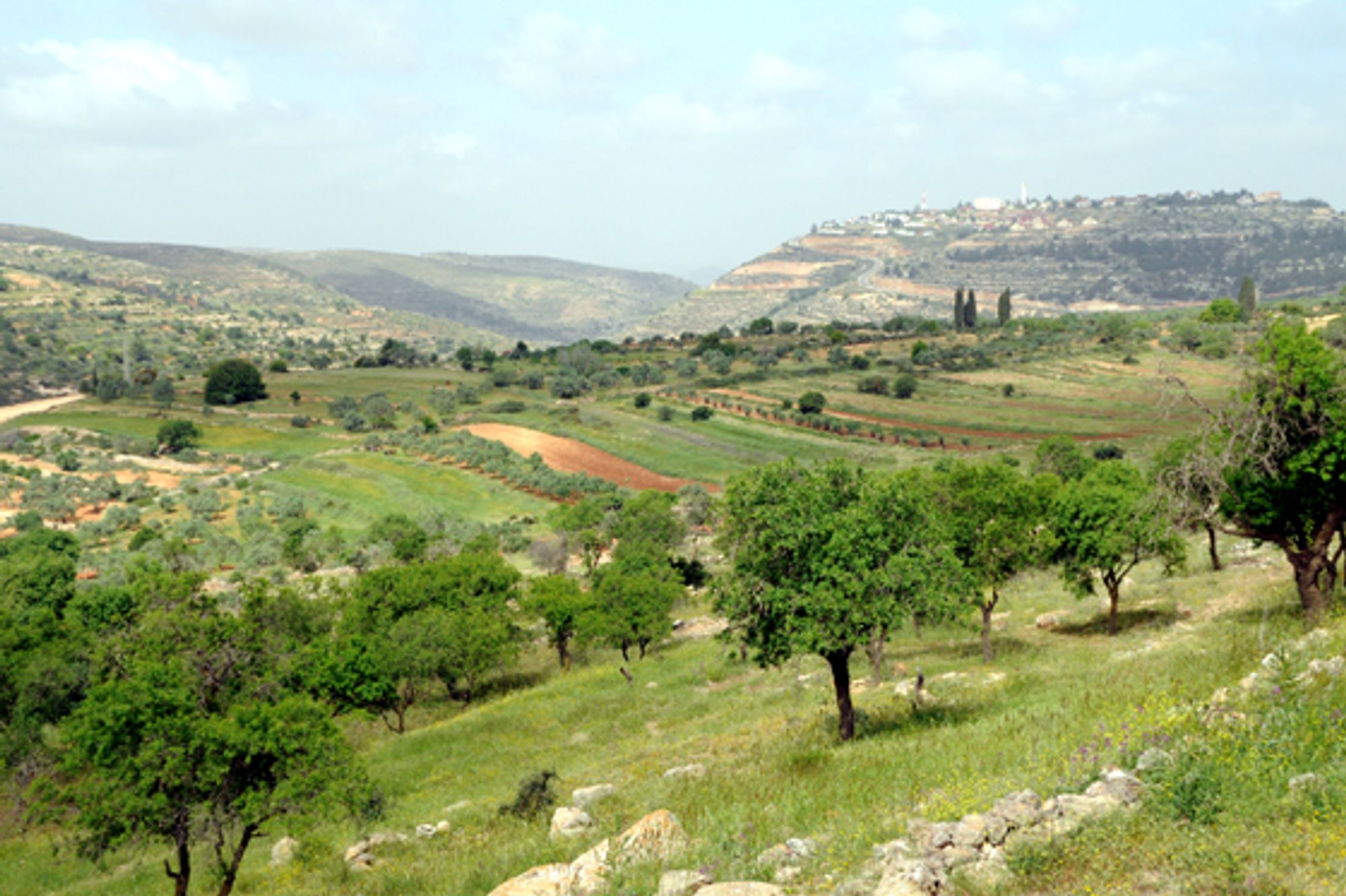
Samaria
The Samarian Mountains have clear and distinct boundaries: in the east - the Jordan Valley; in the west - the Sharon coastal plain; in the north - the northern valleys; and in the south - Nahal Kfira, which separates the Gophna Mountains in southern Samaria from the Jerusalem Hills.
Samaria is composed mainly of limestone rocks from the Jurassic to the Neogene. Samaria has a Mediterranean climate with precipitation of up to about 600 mm per year.
The region is rich in karstic phenomena, with its west containing mainly chamber-type caves and its east containing mainly maze-type caves.
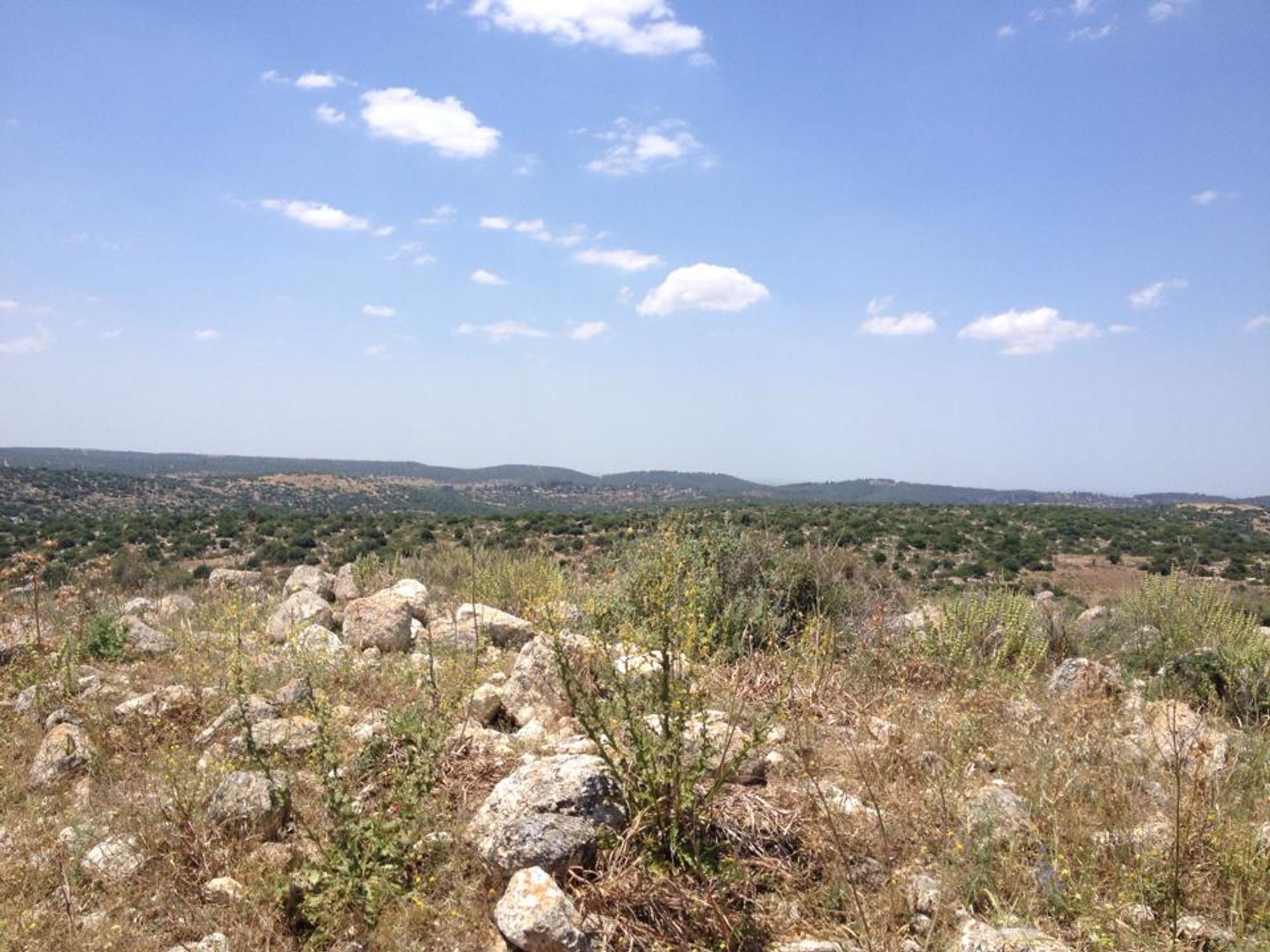
The Shephelah and the Coastal Plain
A geographical region in the transition between the Judean Mountains and the coastal plain. Its boundaries: in the east - the Judean Mountains; in the west - the gradual transition to the coastal plain; in the north - the margins of Mount Samaria and the Afek - Rosh HaAyin transition zone (the Ayalon Valley and the course of Nahal Ayalon); in the south - the northern Negev (Nahal Shikma area)
The climate of the northern Shephelah is damper and cooler than the climate in its south. The average rainfall in the Shephelah ranges from 250 millimeters in the south to 500-600 millimeters in the north. The average annual temperature in the Shephelah is higher than that of the coastal plain and reaches 20 degrees Celsius.
The Shephelah is generally built of soft chalk rocks, covered with a hard calcareous crust known as nari.
The chalk rock is impermeable to water infiltration, and therefore caves formed by dissolution processes are relatively rare in this region. But another property of chalk is that it is a soft rock that is easy to quarry, and indeed the Shephelah region is rich in man-made caves. Especially prominent are the hiding complexes from the time of the Bar Kokhba Revolt, which served both as shelter for the inhabitants from the Romans and as attack tunnels for fighters against the Romans.